
Last updated September 24, 2026
Seasonal Insulation Care for La Puente: Year-Round Homeowner’s Guide
February mornings in La Puente regularly drop to 42°F while July afternoons hit 97°F. That 55-degree swing happens inside the same attic assembly, alternately compressing and expanding materials, cycling fasteners, and - in poorly sealed attics - pumping humid marine air in through the eaves every night. Most homeowners here think seasonal maintenance means swapping out air filters and checking smoke detectors. But your insulation sees more thermal stress than almost any other building component, and it degrades in ways that are invisible until your utility bill arrives. In The Complete Guide to Insulation in La Puente, we’ll walk through what La Puente’s three thermal stress events actually do to your attic and walls, how to inspect for damage yourself, and when the symptoms you’re seeing mean it’s time for professional intervention.
Quick Answer
Our Attic Insulation Maintenance Checklist for La Puente Homeowners recommends inspecting your attic and crawl space three times per year: after winter cold snaps for compressed or displaced batts, after spring marine layer season for moisture uptake in cellulose, and after summer heat peaks for radiant barrier degradation and seal failures. Document what you find with photos and attic temperature readings, then compare year-over-year utility data to confirm whether your envelope is holding performance steady or declining.
Table of Contents
- Winter: Radiant Loss and Cold Spot Mapping
- Spring: Marine Layer Intrusion and Moisture Uptake
- Summer: Solar Gain and Radiant Barrier Performance
- Fall: Santa Ana Winds as Air-Sealing Stress Test
- Building Your Year-Over-Year Performance Comparison
- A Seasonal Inspection Checklist You Can Actually Use
- Common Mistakes to Avoid
- When to Call a Professional
- Frequently Asked Questions
Winter: Radiant Loss and Cold Spot Mapping
La Puente’s coldest weeks come in January, when overnight lows dip into the high 30s and low 40s. These aren’t Midwestern temperatures, but they’re cold enough to create meaningful temperature differentials across your ceiling plane - and that’s where insulation problems reveal themselves.
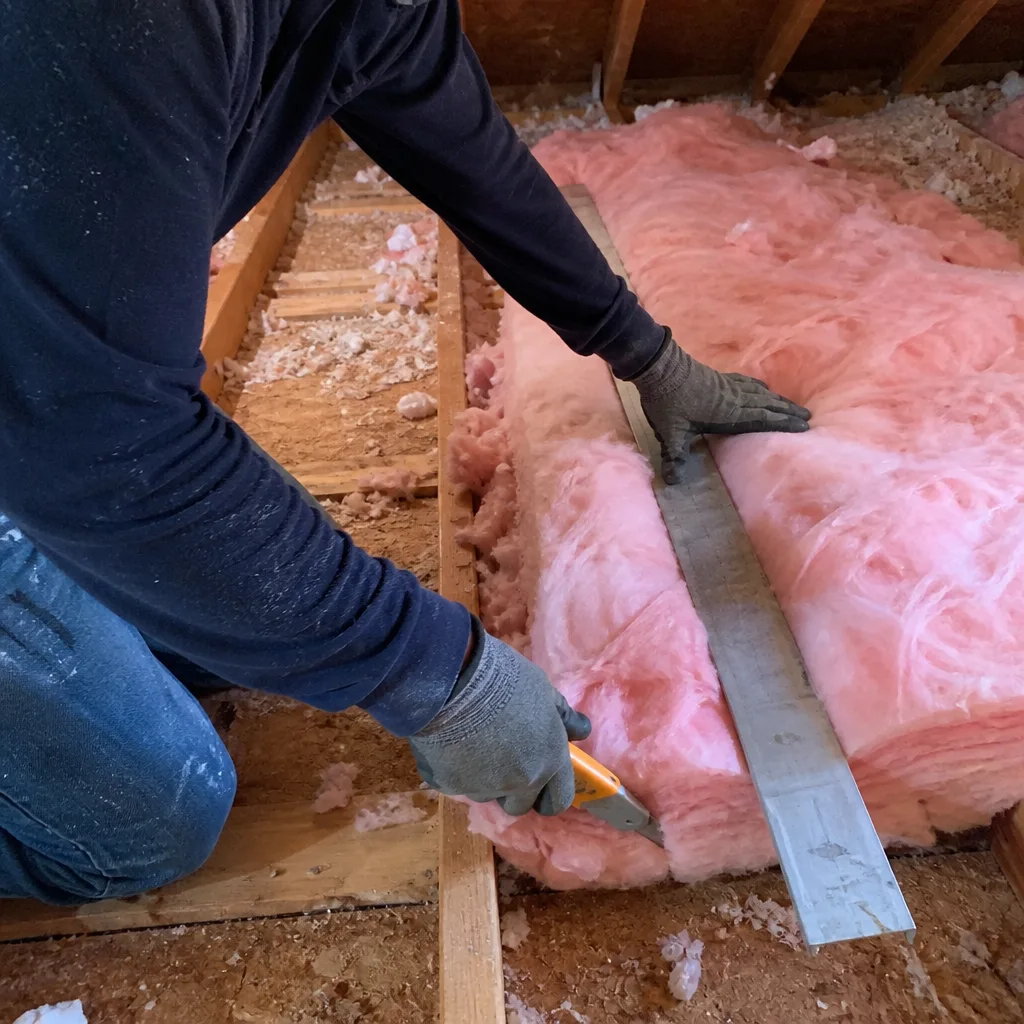
Here’s what happens: warm interior air rises, meets the drywall, and conducts outward. Where insulation is thin, displaced, or missing entirely, the drywall surface runs colder. You feel this as a “cold spot” at interior wall-to-ceiling junctions, particularly in older La Puente homes built before 1980 with original batts that have compressed or slipped from friction-fit failure.
We’ve mapped hundreds of these in homes near Amar Road and north of Valley Boulevard. The pattern is consistent: top plates - the horizontal framing member where wall studs meet ceiling joists - are rarely sealed in older construction, and batt insulation doesn’t fill this complex geometry well. Cold air drops down the wall cavity, creating a thermal bridge you can feel with your hand.
What to do in winter:
- On a January morning before the sun hits your roof, walk each room slowly and place your palm flat against the ceiling at wall junctions. Mark cold spots with painter’s tape.
- Check the attic directly above those marks. Look for gaps where batts have pulled away from the top plate, or where blown-in cellulose has settled below the joist tops.
- Document with your phone: photo the gap, photo the tape mark below, note the outdoor temperature that morning.
- Compare rooms on your north and west sides - they see less winter sun and will show problems first.
If you’re seeing more than three distinct cold spots across a 1,200-square-foot home, your envelope has likely degraded measurably since original construction. The fix isn’t more insulation - it’s air sealing first, then replacing or supplementing what’s there. That’s the sequence we follow on every attic insulation job in La Puente, and it’s why we publish blower-door numbers: a pressurization reading that shows, in one figure, how much conditioned air your building envelope was losing before and after the work.
Spring: Marine Layer Intrusion and Moisture Uptake
May Gray and June Gloom aren’t just coastal phenomena. The marine layer pushes well inland through the San Gabriel Valley, and La Puente sits in a position where overnight humidity recovery is significant - particularly in homes without sealed attic assemblies.
Unsealed attics breathe. That’s the problem. Cool, humid evening air enters through soffit vents, ridge vents, and any gap in the envelope. When it meets insulation, cellulose - the most common blown-in material in La Puente homes - absorbs moisture from the air. The effect is measurable: we’ve pulled samples from unsealed attics in the Hacienda Heights border area that showed 18-22% moisture content by weight in late May, versus 8-12% in properly sealed attics nearby.
That moisture gain matters because it degrades R-value directly. Wet cellulose conducts heat better than dry cellulose. More importantly, the moisture cycles - absorbing at night, drying during the day - cause the material to settle and compact over seasons, reducing thickness and creating voids.
How to check for spring moisture damage:
- Enter your attic on a dry afternoon in late May or early June, before the marine layer has burned off for the day. The attic should feel dry; if it feels clammy or you see surface dampness on rafters, you have uncontrolled moisture intrusion.
- Look for darkening or staining on cellulose - a sign of repeated wetting. Fresh cellulose from manufacturers like GreenFiber or CertainTeed is light gray; dark patches indicate moisture cycling.
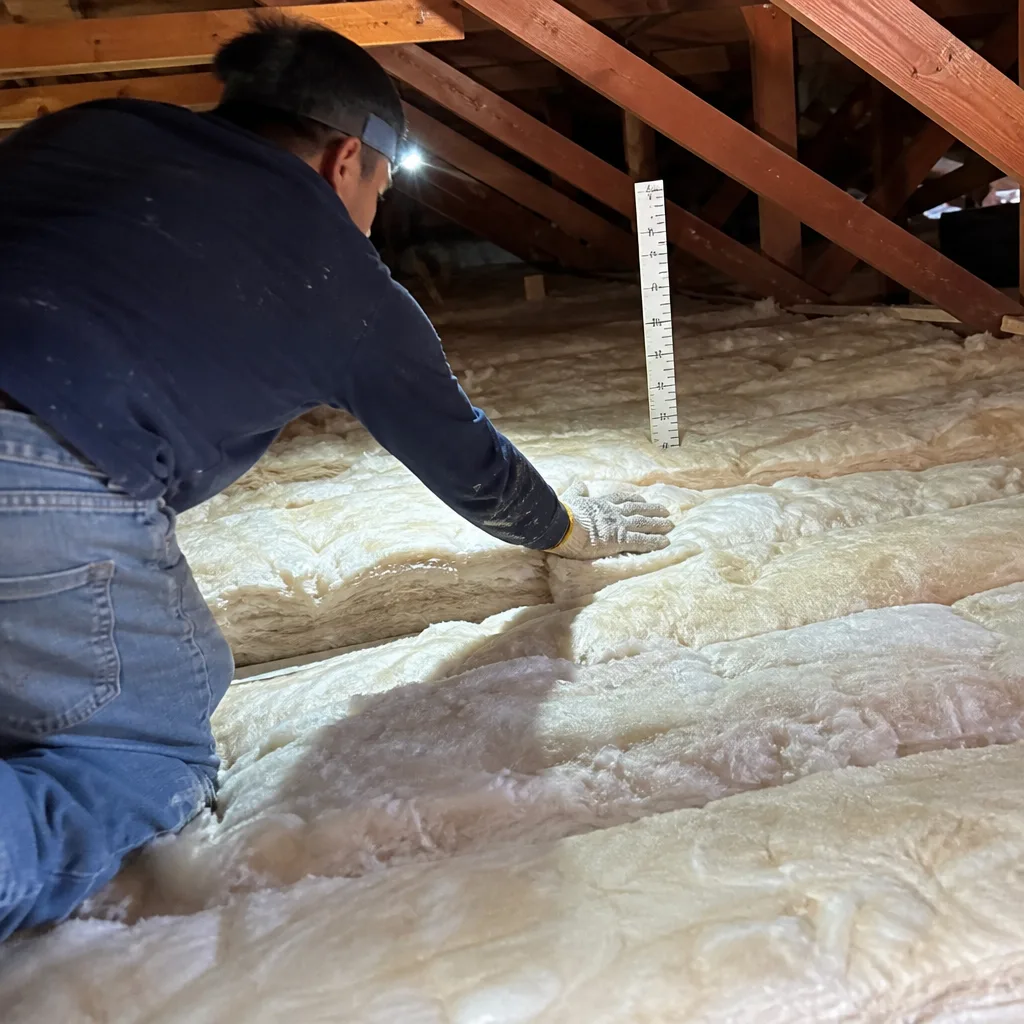
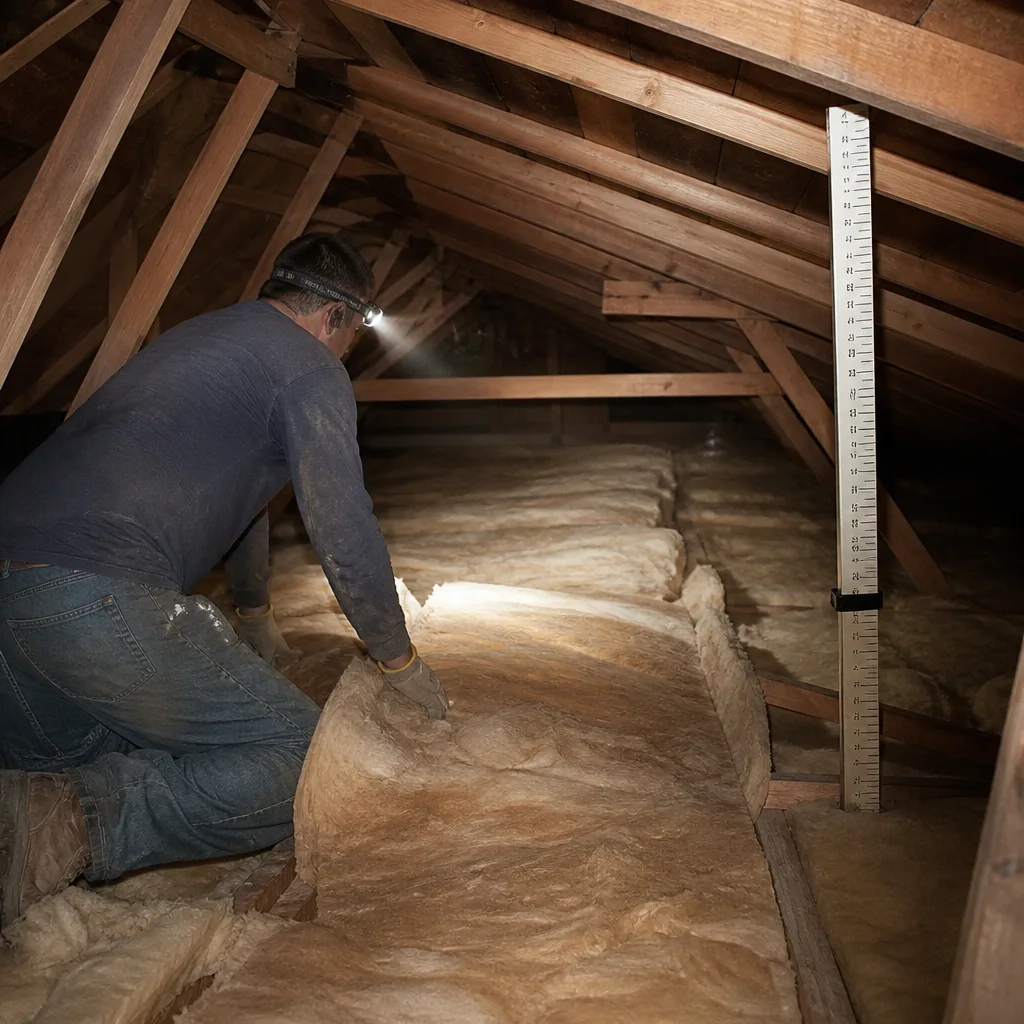
- Check for compaction: measure insulation depth at three points. If depth varies by more than two inches across a 20-foot span, settling has occurred and R-value is no longer uniform.
- Smell for mustiness. Cellulose treated with borates resists mold, but sustained moisture can overwhelm this protection, particularly near bathroom vents that terminate in the attic rather than through the roof.
The reversal protocol is straightforward but not DIY for most homeowners: the attic must be air-sealed at all penetrations, top plates sealed with caulk or foam, and bathroom vents properly ducted. Only then should insulation be replenished. We’ve seen too many La Puente homes where a contractor blew new cellulose over wet, compacted old material - the moisture problem continues, hidden, and the homeowner paid for R-value they aren’t getting.
Our Topside Attic Insulation La Puente home page details how we handle this sequence under The Haven Standard: written scope first, air sealing completed, then insulation, with before-and-after blower-door documentation.
Summer: Solar Gain and Radiant Barrier Performance
La Puente’s summer solar-gain window runs roughly 10am to 4pm, June through September. During this period, roof deck temperatures can exceed 150°F, and radiant heat transfer - energy moving across air gaps via electromagnetic waves, not conduction or convection - becomes the dominant heat load on your ceiling.
Radiant barrier foil, installed on the underside of roof rafters or as a decking overlay, is designed to reflect this radiant energy back toward the roof. But its performance varies significantly based on orientation, and this is something La Puente homeowners should understand when evaluating their attic.
East-facing roof slopes receive morning sun when ambient temperatures are lower, but the roof deck hasn’t been pre-heated by overnight radiation. The temperature rise is rapid and steep. West-facing slopes receive afternoon sun after hours of accumulated heat, so deck temperatures peak higher and stay elevated longer. A radiant barrier on a west slope works harder and degrades faster from thermal cycling.
What to inspect each summer:
- On a July afternoon after 2pm, enter your attic with a non-contact infrared thermometer. Measure the air temperature at the ridge (hottest point) and at the ceiling plane. A well-performing radiant barrier should show 20-30°F less radiant temperature at the ceiling plane versus the ridge air.
- Check foil condition: dust accumulation reduces reflectivity significantly. A light film is normal; heavy dust, particularly near HVAC air handlers that stir attic air, means the barrier is approaching non-functional.
- Look for sagging or detached sections. Foil stapled to rafters loosens over years of thermal cycling. In homes near Workman Mill Road, we’ve found sections that have fallen onto insulation below, where they trap moisture and serve no radiant function.
- Compare east and west slopes if accessible. Uneven performance - one side reading much hotter at the ceiling plane - indicates localized barrier failure or insufficient coverage during original installation.
Radiant barrier isn’t a substitute for adequate insulation R-value. In La Puente’s climate zone, the California Energy Code calls for R-38 to R-49 in attics depending on construction date. A radiant barrier can reduce the effective load, but if your insulation is below code or degraded, you’re still losing conditioned air through conduction. We evaluate both together on every home energy audit, and we specify materials from Owens Corning, Johns Manville, or Knauf based on what the assembly actually needs - never a one-product default.
Fall: Santa Ana Winds as Air-Sealing Stress Test
The Santa Ana wind events of October and November are La Puente’s most dramatic weather - gusts to 50mph, humidity dropping into single digits, and a pressure differential that tests every gap in your building envelope.
These winds create a natural stress test for air sealing. When pressure outside drops rapidly and your home is positively pressurized by HVAC operation, air finds paths that weren’t apparent in calmer conditions. The symptom homeowners notice: rooms that never had temperature problems suddenly feel drafty, or the HVAC runs continuously without reaching set point.
How to read the Santa Ana signal:
After a wind event, check your thermostat’s runtime history if you have a smart model. Compare the hours of heating or cooling operation to the same date range two weeks prior. A 30% or greater increase suggests envelope leakage has worsened, or that existing leaks are now significant under pressure.
More directly: feel your return-air grille temperatures relative to thermostat set point. In a well-sealed home, return air should be within 2-3°F of the mixed room temperature. If return air is 5°F or more off - cold when heating, warm when cooling - you’re pulling unconditioned air from somewhere it shouldn’t be. Common sources in La Puente homes:
- Top-plate gaps that have widened from seasonal wood movement, particularly in homes with raised foundation and balloon framing
- Recessed can light housings that were never airtight
- Dryer vent and bathroom fan penetrations where exterior sealant has cracked
- Garage-to-house wall penetrations for electrical and plumbing
The Santa Ana season is the right time to document these because the pressure differential makes them obvious. Take your list into winter, when contractors have availability, and get them sealed before the next cold snap. Under Haven Standard Clause 1, we provide a written price before any work starts on air sealing - flat price, written scope, written warranty - so you know exactly what the fix costs before anyone lifts a tool.
Building Your Year-Over-Year Performance Comparison
You don’t need a formal energy audit to track whether your insulation is holding up. You need three data streams and a consistent method.
Data stream one: utility billing.
Pull 24 months of electric and gas bills from your utility’s online portal. Normalize for degree-days - the standard weather adjustment that accounts for how hot or cold each billing period was. Most utilities provide this; if not, use a free degree-day calculator with La Puente’s 91744 zip code. What you’re looking for: kWh or therms per degree-day, trended over time. A rising trend means your envelope is degrading or your HVAC is compensating for losses.
Data stream two: attic temperature.
Place a simple digital thermometer with min/max memory in your attic, secured to a rafter away from the hatch. Record the maximum daily temperature for one week in each season: mid-January, mid-May, mid-July, mid-October. In a well-performing La Puente attic with adequate insulation and ventilation, summer peaks should stay within 20-25°F of outdoor ambient. Higher gaps indicate insufficient insulation, failed radiant barrier, or ventilation problems.
Data stream three: your own inspection photos.
Take the same four photos every season: wide shot from the attic hatch, close-up of insulation at the top plate, condition of any visible air sealing, and the attic thermometer display. Date-stamp them. Over two years, you’ll have a visual record of settling, moisture staining, or pest intrusion that no single inspection would reveal.
Building the comparison:
- Create a simple spreadsheet: columns for billing period, degree-days, kWh/therms used, usage per degree-day, and attic peak temperature for that period.
- Plot usage per degree-day over time. A flat or declining line means your envelope is stable. A rising line of 10% or more year-over-year means something has changed.
- When you see a jump, cross-reference with your photos. Did insulation depth decrease? Did moisture staining appear? Did you add or remove a major appliance?
- Use this record when you call for professional evaluation. A technician who can see two years of data will give you a more precise diagnosis than one working from a single site visit.
We’ve had La Puente homeowners bring us three years of this documentation. The patterns are unmistakable: slow degradation from moisture cycling, sudden jumps after unpermitted HVAC duct modifications, gradual decline from original batt compression. The data doesn’t lie, and it justifies investment in envelope work with hard numbers rather than guesswork.
A Seasonal Inspection Checklist You Can Actually Use
This checklist distills everything above into actionable steps. Print it, date your entries, and keep it with your home file.
January - Cold Spot Mapping
- Outdoor temp below 45°F: walk rooms, palm to ceiling at wall junctions
- Mark cold spots with painter’s tape
- Attic inspection above each mark
- Photo documentation
- Note any drafts at outlets or baseboards on exterior walls
May/June - Moisture Assessment
- Attic entry on overcast afternoon before marine layer burns off
- Check for dampness, mustiness, insulation darkening
- Measure insulation depth at minimum three points
- Verify bathroom vents terminate through roof, not into attic
- Photo documentation
July - Radiant Barrier and Summer Load
- Attic entry after 2pm on sunny day
- Infrared thermometer readings at ridge and ceiling plane
- Foil condition: dust, sagging, detachment
- Compare east and west slopes if accessible
- HVAC runtime comparison to prior month
October/November - Santa Ana Stress Test
- Post-wind-event thermostat runtime check
- Return-air temperature versus set point
- Exterior penetration inspection: dryer vents, bath fans, utility entries
- Check garage-to-house wall for air movement
- Photo documentation
Year-End - Data Compilation
- Update utility usage per degree-day spreadsheet
- Review photo sequence for changes
- Schedule professional evaluation if trend is rising or photos show degradation
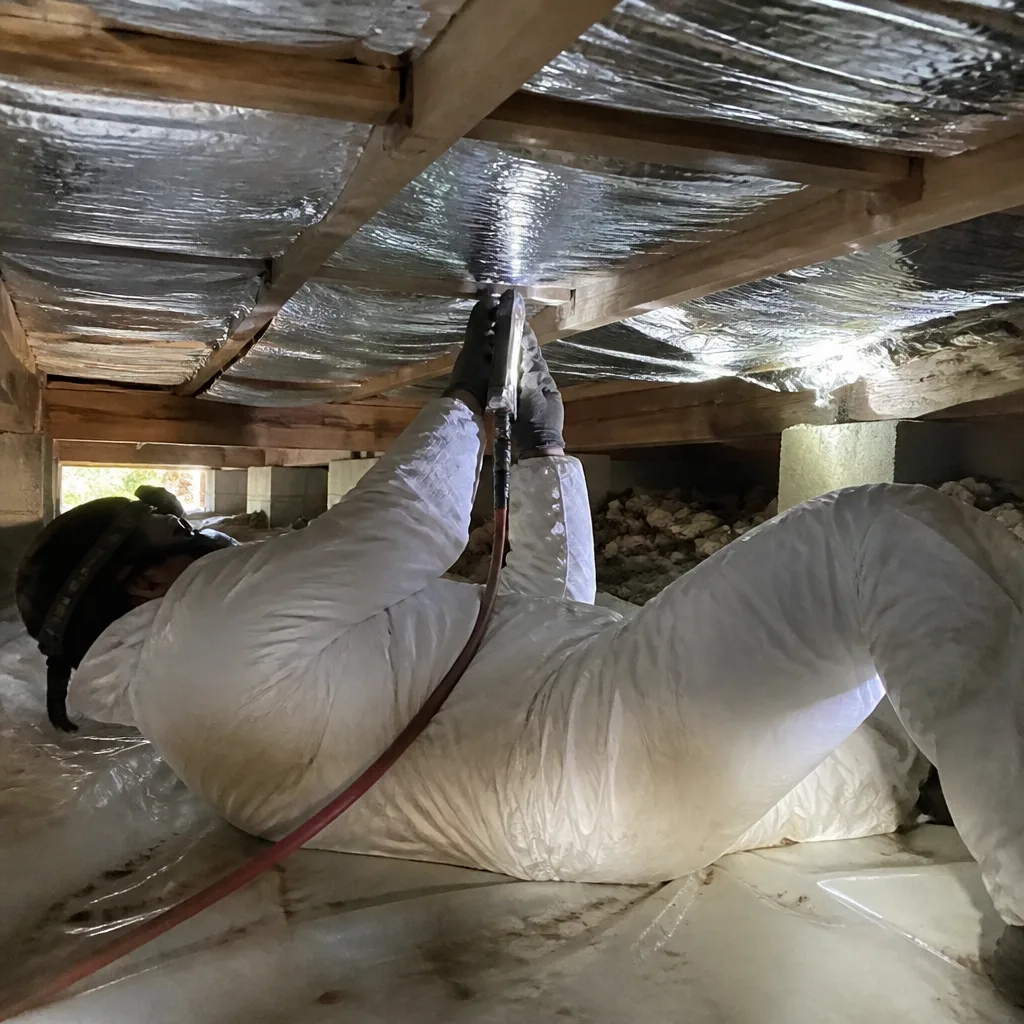
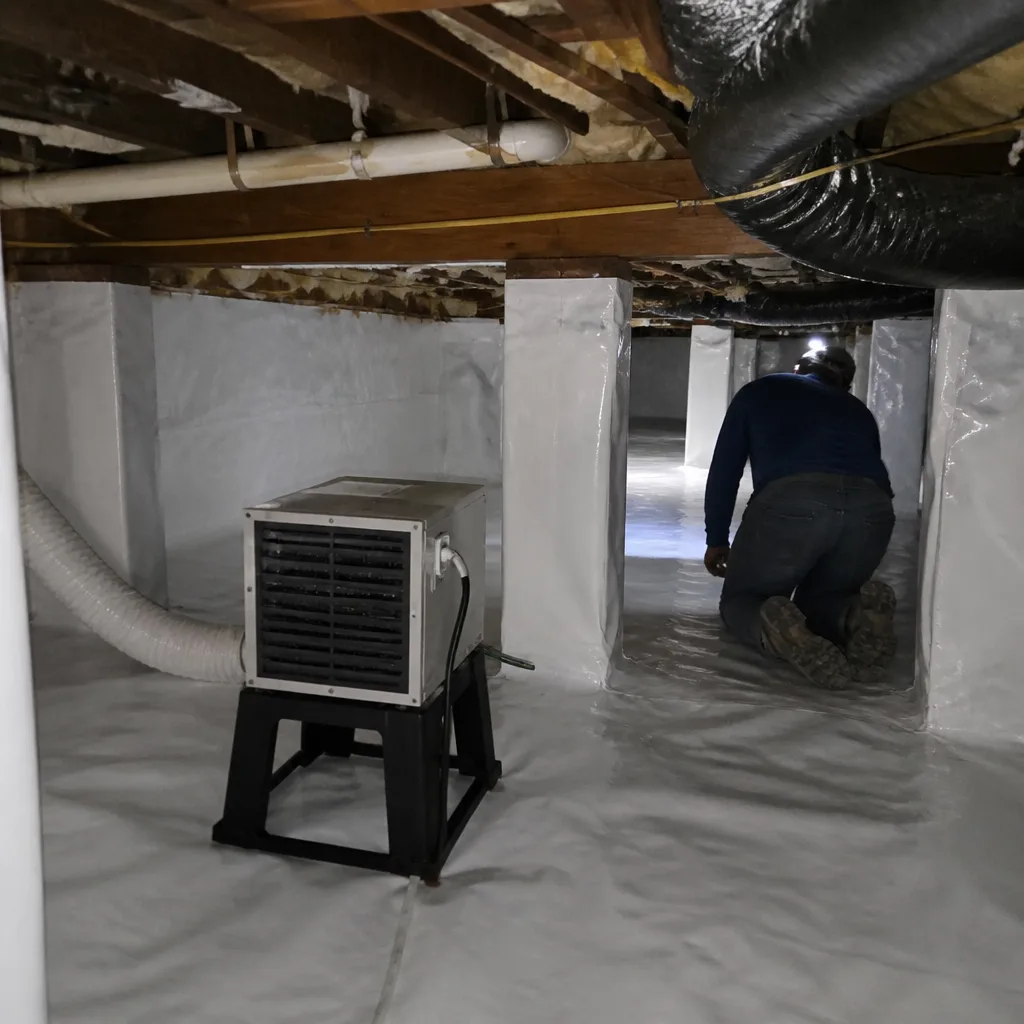
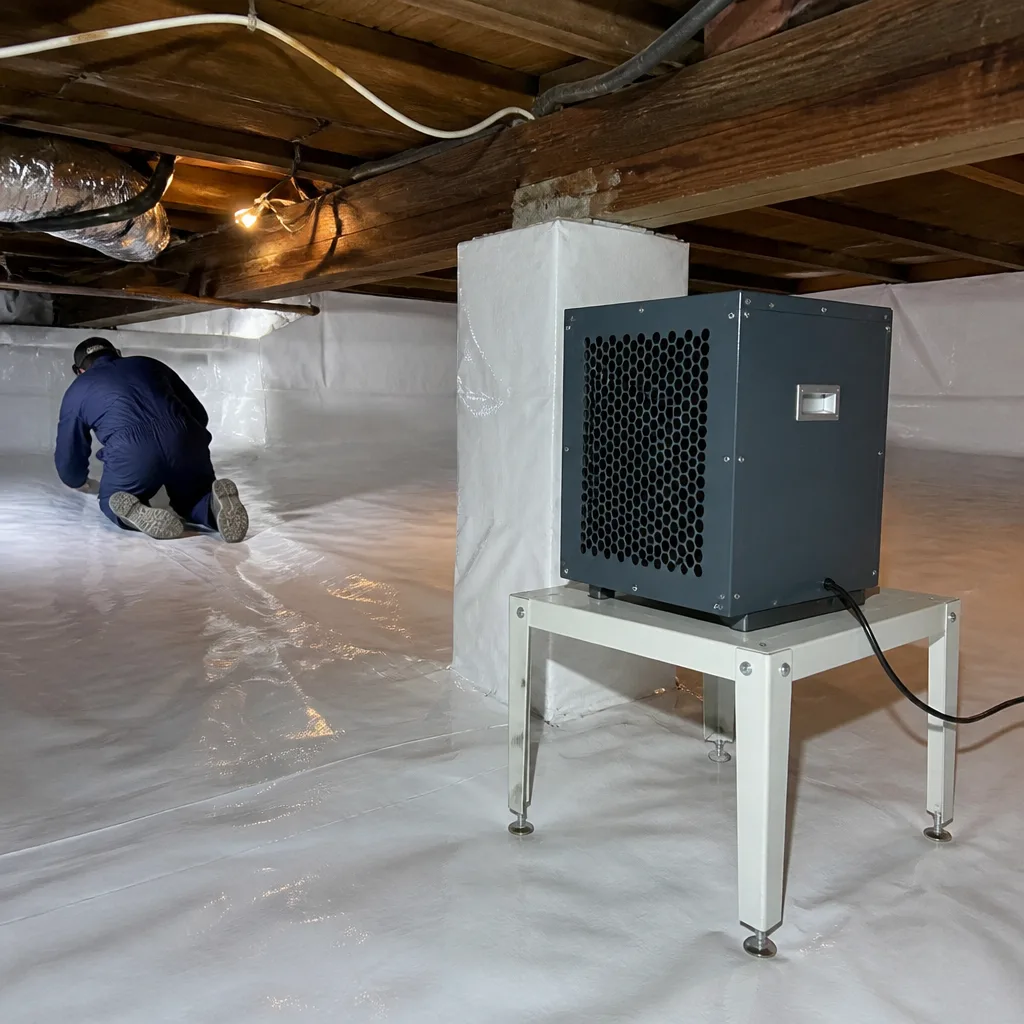
For homes with crawl spaces, add a May and November entry using our Crawl Space Encapsulation & Vapor Barrier in La Puente guidance - the same moisture dynamics apply, often more severely, at ground level.
Common Mistakes to Avoid
- Blowing new insulation over old without inspection. We’ve pulled back new cellulose in La Puente attics to find saturated, compacted original material underneath. The homeowner paid twice and got no performance gain. Always inspect what’s there first.
- Ignoring the air sealing step. Insulation slows heat transfer; it doesn’t stop air movement. An R-38 batt with wind washing through it performs like R-19 or worse. Sealed first, then insulated - in that order.
- Assuming radiant barrier eliminates need for insulation. Radiant barriers address one heat transfer mode. In La Puente’s climate, you need both radiant control and conductive resistance. We specify assemblies with both, using materials from Rockwool or CertainTeed where dense-pack or blown-in is appropriate.
- Using attic fans as a substitute for proper ventilation. Powered attic fans can depressurize the attic and pull conditioned air from your living space through ceiling penetrations. They also fail to address the root cause: insufficient free ventilation area or blocked soffit vents.
- Sealing attic without addressing combustion appliance makeup air. In older La Puente homes with natural-draft water heaters or furnaces in the attic, aggressive air sealing can create backdrafting hazards. A combustion safety test - part of our standard energy audit - must precede envelope tightening.
- Neglecting to document before changes. Without photos and data, you can’t prove whether a problem existed before or was caused by the work. We deliver a Documented Photo Record on every visit, included, not available on request.
When to Call a Professional
Some conditions require trained assessment and specialized equipment. Call for professional evaluation if you find: moisture staining or mold growth in insulation; insulation depth below current California Energy Code minimums (R-38 for most La Puente attics); persistent cold spots after DIY air sealing attempts; HVAC that cannot maintain set point during temperature extremes; or any indication of rodent activity in insulation, which compromises both thermal performance and indoor air quality.
Topside Attic Insulation La Puente offers free estimates in La Puente - call (626) 509-3237. Every estimate includes a written scope and written price before any work starts, under Haven Standard Clause 1. We also provide a Free Second Opinion on any written estimate from another contractor; bring us their paperwork and we’ll read it with you, line by line.
Frequently Asked Questions
Inspect twice yearly at minimum: once in late May after marine layer season for moisture, and once in January after cold snaps for thermal performance degradation. Add a July check if you have radiant barrier, and an October check if Santa Ana winds were strong that year. Four brief inspections take less time combined than one emergency HVAC call.
DIY vs Professional Insulation: The La Puente Homeowner’s Decision Guide notes that batt installation is possible for accessible attics with standard joist spacing, but blown-in cellulose or spray foam requires equipment and training. More importantly, most La Puente homes built before 1990 need air sealing before insulation addition - a step that’s easy to skip and hard to do correctly without blower-door guidance. Call (626) 509-3237 for a free estimate; estimates are free and come with a written scope.
Moisture increases cellulose density and thermal conductivity, reducing R-value proportionally. Repeated wet-dry cycles cause settling, creating voids where insulation was once continuous. At sustained moisture contents above 25%, borate fire and pest retardants can leach out. The fix is source control - sealing the envelope so marine layer air can’t reach the material - not replacement of the insulation alone.
Most attic insulation jobs in a La Puente home of 1,200 to 2,000 square feet run between $2,800 and $5,400 for air sealing plus blown-in cellulose to R-38, with variation based on accessibility, existing material condition, and whether removal is required. Spray foam, where appropriate for specific assemblies, runs higher. We provide a written price before any work starts - always - and we publish before-and-after blower-door numbers on applicable jobs so you can verify the air-sealing result. Call (626) 509-3237 for an exact quote; estimates are free.
Insulate now. Every year of deferred work is a year of excess utility cost and accelerated HVAC wear. In our experience with La Puente’s housing stock, envelope improvements in pre-1980 homes often yield 20-30% heating and cooling savings - a payback period that shortens with each rate increase from the utility. Remodeling may be years away; the savings start the day the work is completed.
Air sealing blocks the movement of air through gaps and cracks - top plates, penetrations, joints - using caulk, foam, or gasketed covers. Insulation slows heat transfer through solid materials. A home can be well-insulated and still leak air badly, or well-sealed with insufficient insulation. Both are required for a functional thermal envelope, and the correct sequence is sealed first, then insulated. That’s the approach we take on every Spray Foam Insulation in La Puente job and every other assembly we touch.
The Bottom Line
La Puente’s climate doesn’t offer the dramatic seasonal cues of colder regions, but the thermal stress on your home is real and continuous. Winter radiant loss, spring moisture intrusion, summer solar gain, and fall pressure events each degrade insulation performance in distinct ways. A homeowner who inspects seasonally, documents consistently, and acts on rising utility trends protects both comfort and value. The alternative is gradual, invisible decline - higher bills, shorter HVAC life, and eventual remediation that’s more extensive than prevention would have been. We’ve sealed and insulated over 9,000 homes since 2016, every one with a written price before work started and a documented record when the crew left. The pattern we see: homeowners who maintain their envelopes spend less over ten years than those who wait for symptoms. For more guides & resources, visit our blog.
Written by Wes Okafor, Owner at Topside Attic Insulation La Puente, serving La Puente since 2016.