
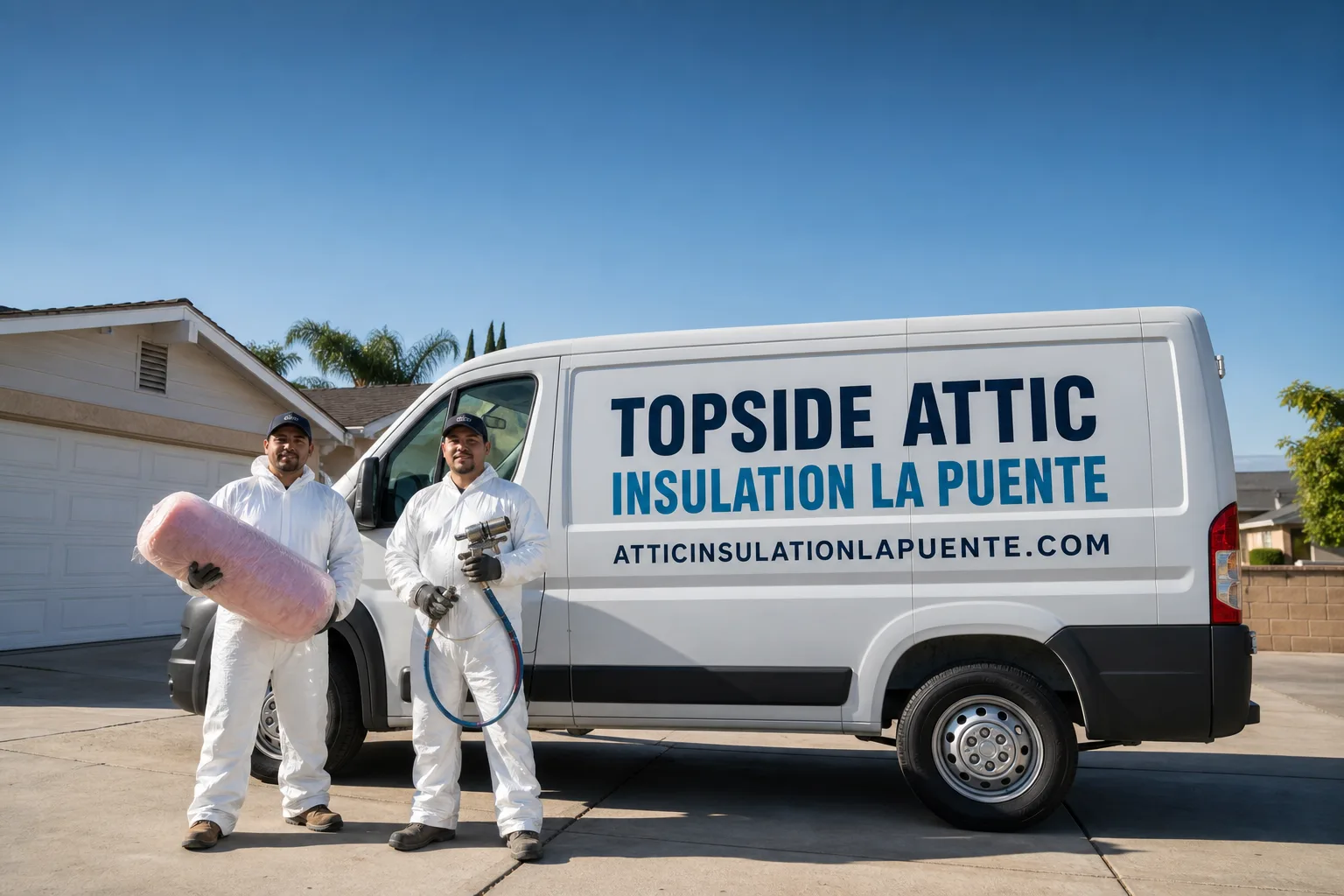
Fast, Reliable Blown-In Insulation Across Norwalk
Most blown-in insulation jobs in Norwalk run $2,400-$5,800 depending on whether we’re topping off existing material or performing a full attic blow-out and dense-pack wall fill. Our crews are on the road to Norwalk within 90 minutes of a scheduled appointment, and we carry Knauf and Owens Corning loose-fill on every truck so we’re not waiting on a parts run when we arrive at your door. We’ve worked in the postwar stucco tracts from the 605 corridor down to Imperial Highway, and we know what these homes need because we’ve measured the results - blower-door numbers in hand - on hundreds of them. Call (626) 509-3237 for a written price before any work starts.
Why Topside Attic Insulation La Puente Is Norwalk’s Preferred Blown-In Insulation Company
We’ve sealed and insulated over 9,000 homes since 2016, and a disproportionate share of our dense-pack wall and full blow-out work has been in Southeast LA County. Norwalk homeowners leave three-star reviews that mention the same thing our five-star reviews do: the crew showed the blower-door readings, explained the numbers, and left a written scope and photo record. That documentation habit is Haven Standard practice, not an extra.
Response time to Norwalk is typically same-day or next-morning, with scheduling coordinated from our Los Angeles office and crews dispatched directly to your neighborhood. We don’t ask you to wait in a callback window measured in business days - a live person answers calls 24/7, and you’ll get a text when your technician is en route with a name and ETA.
The local knowledge that matters here is structural, not performative. We know that a 1956 ranch on Hoxie Avenue and a 1964 split-level near Alondra Park face different envelope problems even though they’re both “Norwalk stucco.” We’ve measured enough of them to know the difference before we pull into your driveway.
Our Blown-In Insulation Services in Norwalk
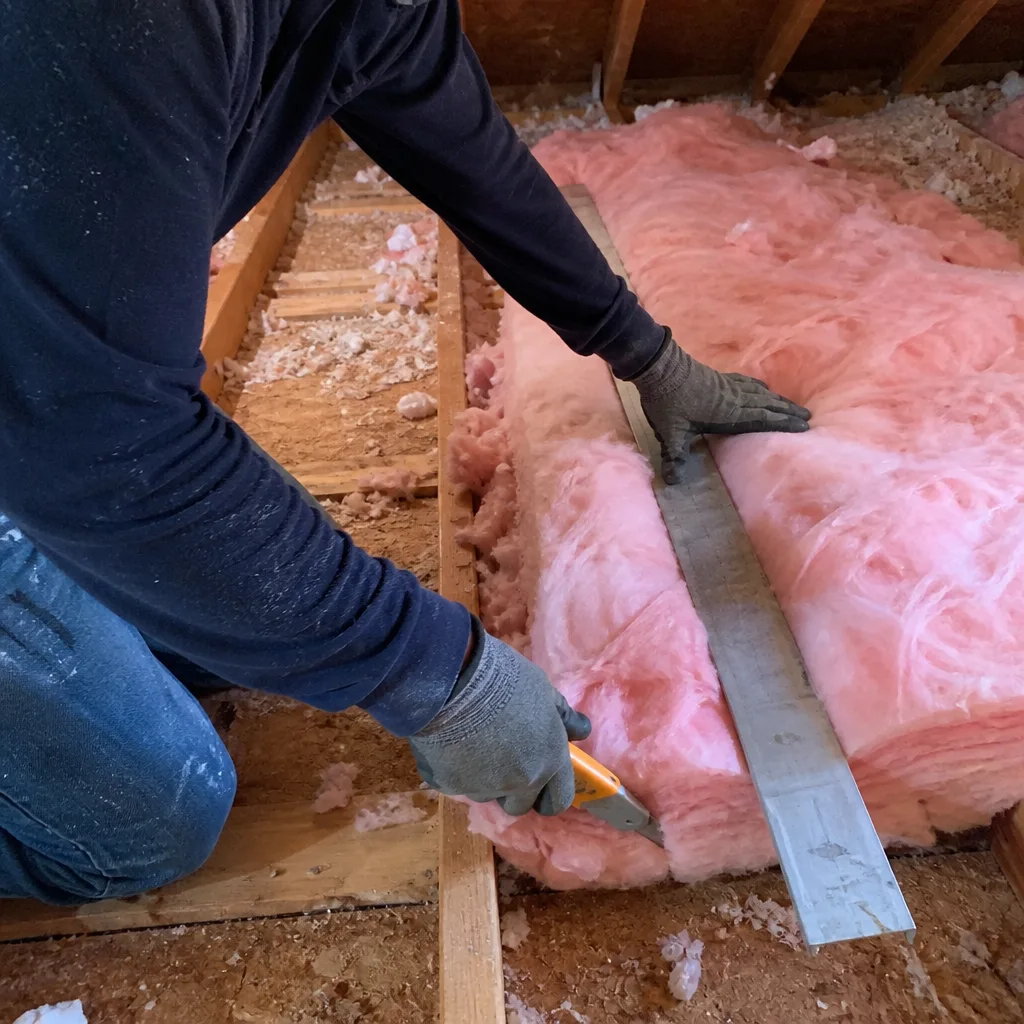
Blown-In Cellulose
Cellulose - treated recycled paper fiber - is our default recommendation for Norwalk’s empty wall cavities and degraded attics because it packs tightly into irregular spaces and performs well in Climate Zone 10’s heat. We source GreenFiber cellulose for dense-pack applications, and we blow it dry for attic fills after air sealing is complete. On a 1958 stucco ranch off Studebaker Road, our crew found original batt insulation in the attic flattened to under an inch with an effective R-value near zero, and empty wall cavities throughout; we performed a full blow-out of the degraded material, air-sealed the attic floor, and dense-packed the exterior walls with GreenFiber cellulose before blowing in Owens Corning fiberglass to bring the attic to current Title 24-aligned levels. The homeowner reported the back bedrooms finally held temperature during a 97-degree July afternoon without the AC running continuously.
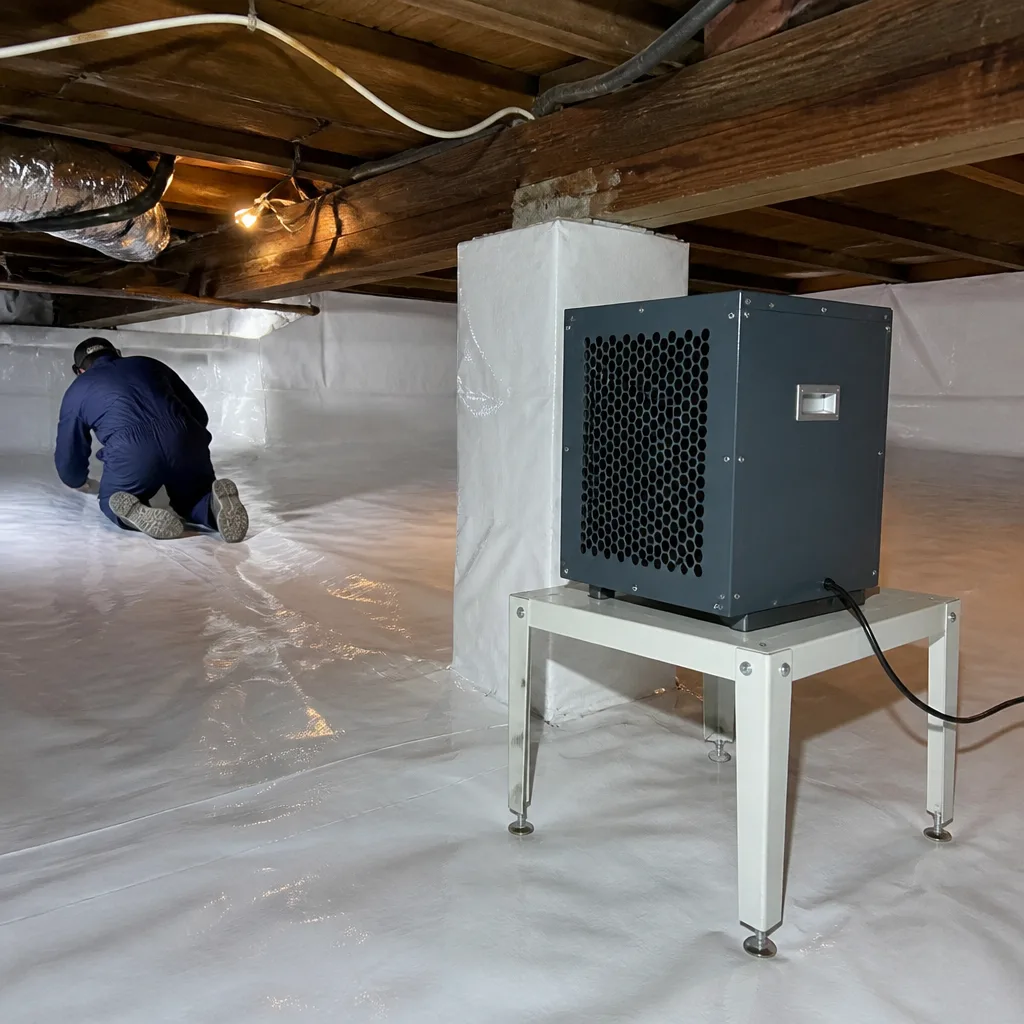
Blown-In Fiberglass
Fiberglass loose-fill - spun glass fibers blown through a hose - is what we use for attic restoration after blow-out in most Norwalk homes because it doesn’t settle as aggressively as older materials and maintains its R-value through decades of heat cycling. We stock Owens Corning fiberglass on every truck, and we blow it to depths that meet or exceed current Title 24 requirements for Climate Zone 10. For Norwalk’s postwar ranches with original batts collapsed flat, this is typically the replacement material of choice after the degraded material has been removed and the attic floor has been sealed.
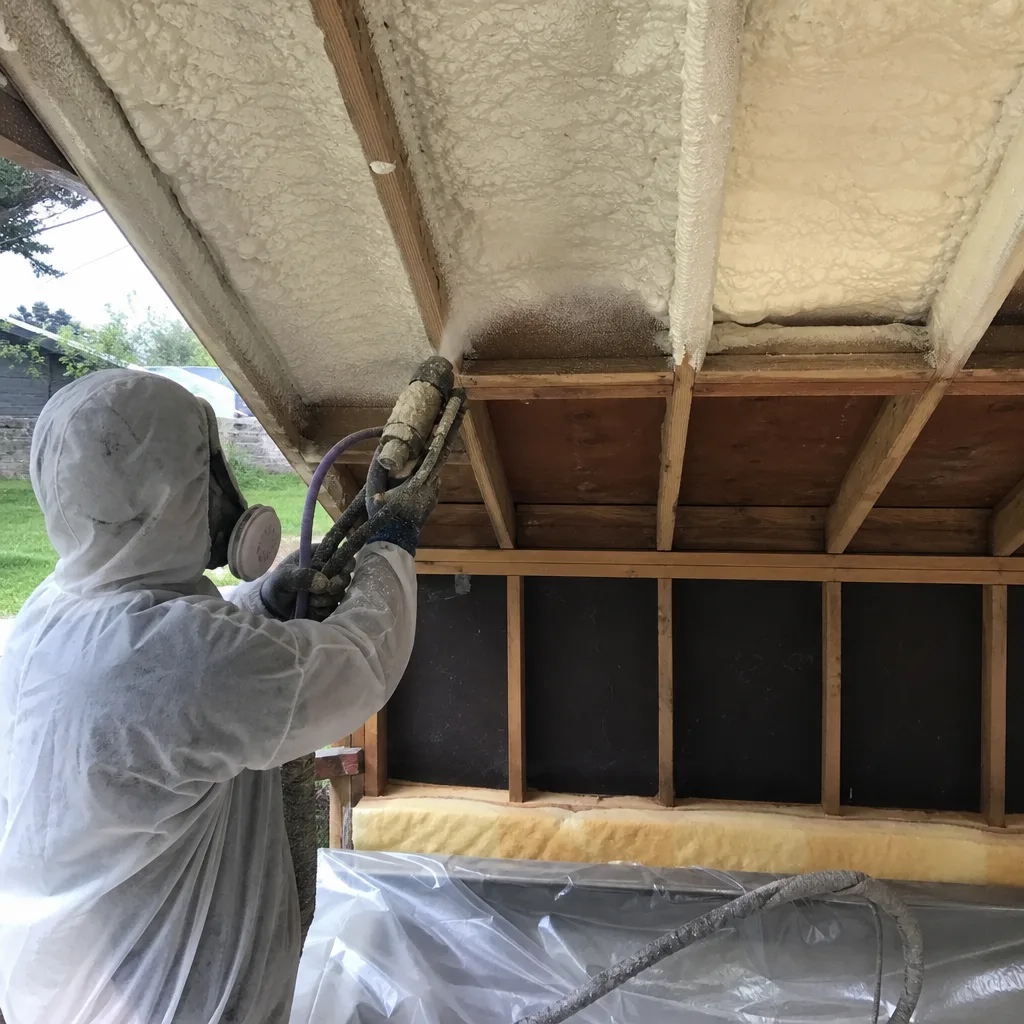
Dense-Pack Wall Insulation
Dense-pack - cellulose blown into closed wall cavities at 3.5 pounds per cubic foot to eliminate settling and air movement - is the critical second phase of work in Norwalk that many contractors skip. These postwar stucco homes were built with empty wall cavities as standard practice; blowing insulation into the attic alone leaves thermal bridging and infiltration through the walls that undermines the whole job. We dense-pack through exterior holes or from the interior depending on your siding and finish, and we provide before-and-after blower-door numbers that show the difference the wall work made. This is not an upsell. It’s the difference between a partial fix and a complete envelope correction.
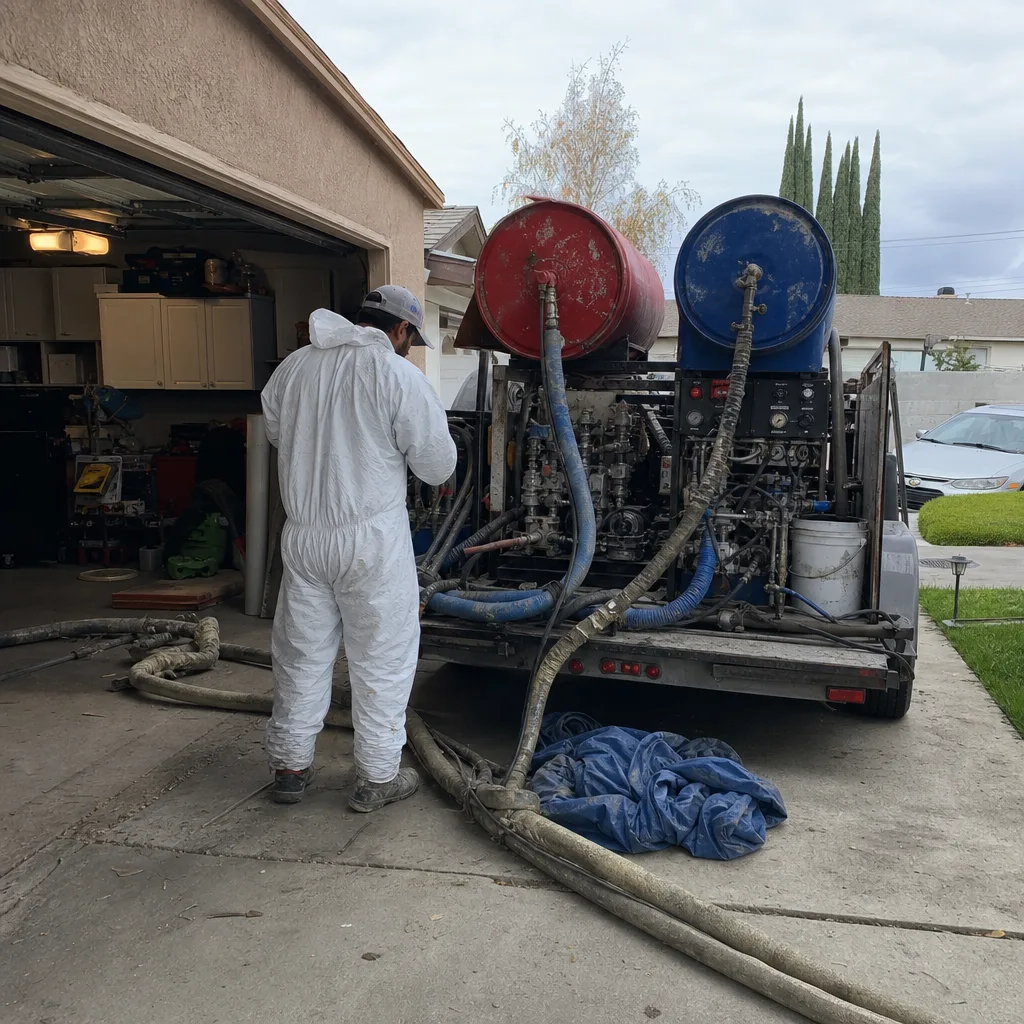
Blown-In Top-Up
Top-up - adding loose-fill over existing insulation that is still viable - is rarely the right scope in Norwalk’s 1950s-60s housing stock, but we do perform it when an attic has been properly insulated within the last 15-20 years and the material is still distributed evenly. We’ll inspect what you have, measure the depth, and tell you honestly whether a top-up is appropriate or whether you’re looking at a full blow-out. Our Blown-In Insulation team will not blow new material over degraded, compressed, or contaminated old insulation - that’s Haven Standard practice, and it’s why our jobs perform as documented.
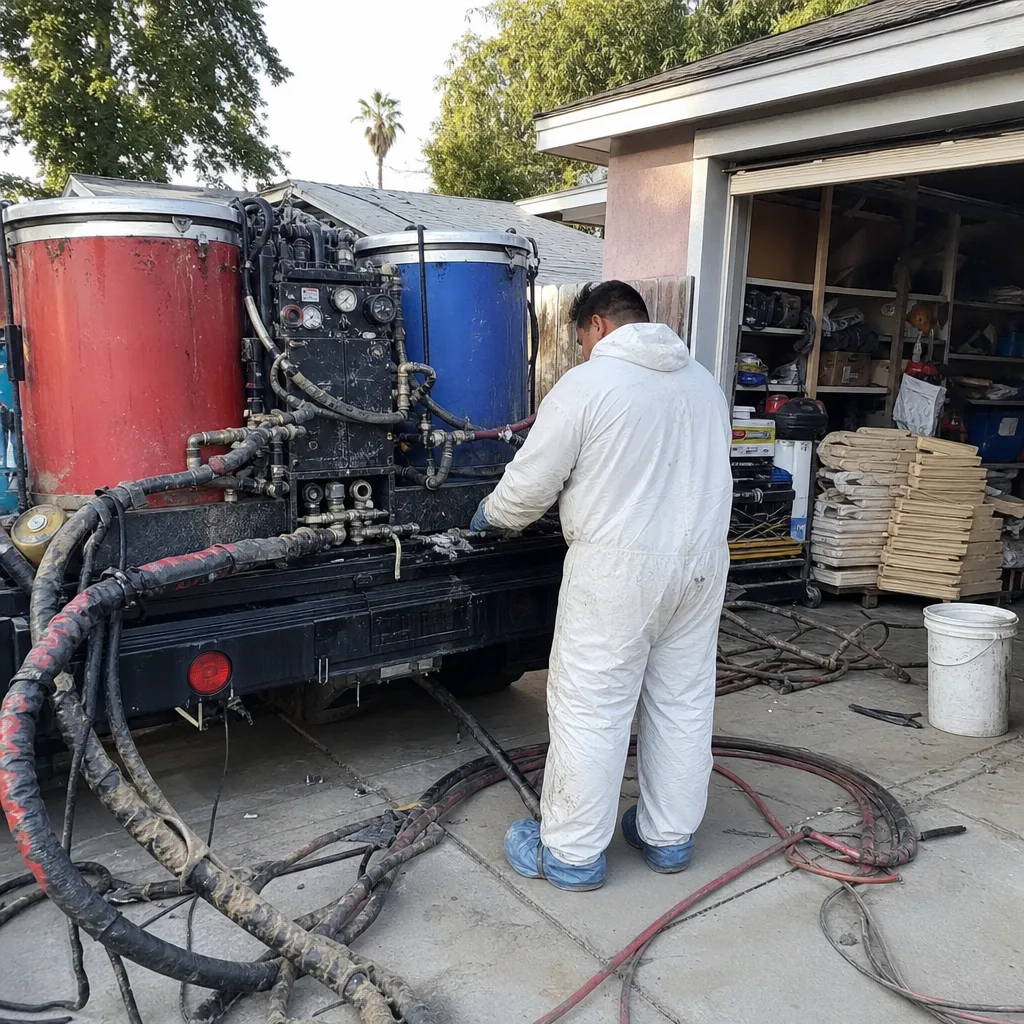
What happens when you call
- 1
A real person answersNo phone trees - you reach a local pro.
- 2
You get an upfront price rangeHonest numbers before anyone is dispatched.
- 3
A background-checked tech heads outLicensed & insured, dispatched right away.
- 4
You approve before work beginsNothing starts until you say go.
Trusted Brands We Service in Norwalk
We source materials from Owens Corning, Knauf, Rockwool, CertainTeed, Icynene, and GreenFiber - no proprietary lock-in that limits your options or our flexibility. For Norwalk’s climate and housing stock, we typically specify Owens Corning fiberglass for attic restoration and GreenFiber cellulose for dense-pack wall work, with Knauf loose-fill as an alternative when project conditions call for it. We stock these materials locally, so your job isn’t waiting on a delivery from out of state. The brand choice is documented in your written scope before work starts, not decided on the truck.
Common Blown-In Insulation Problems We See in Norwalk Homes
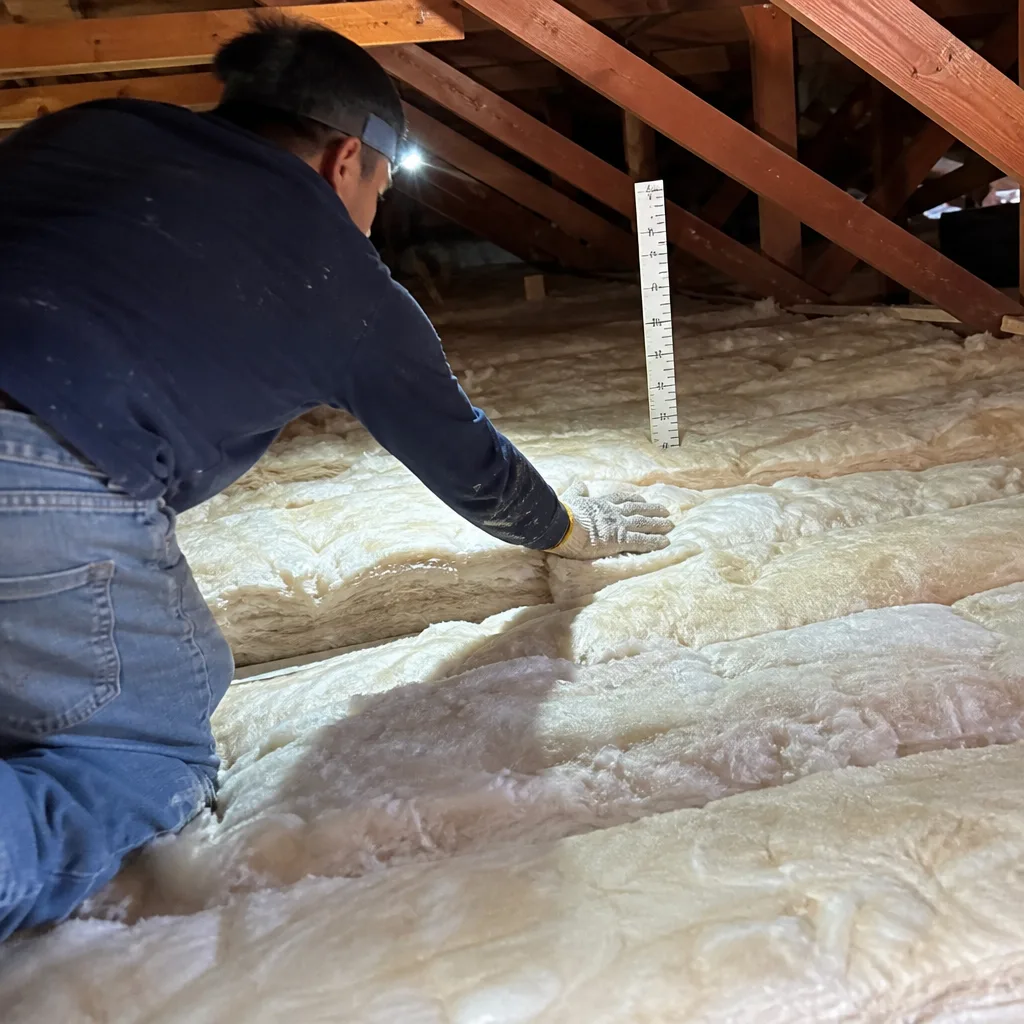
- Original batt insulation collapsed flat. The fiberglass or rock wool batts installed in 1950s-60s Norwalk attics have settled to under an inch in most homes we’ve inspected, giving an effective R-value near zero. HVAC and electrical contractors walking through attics over decades have further compressed or displaced this material. Full removal and replacement is the only honest scope.
- Empty wall cavities in postwar stucco. Builders of Norwalk’s tract homes did not insulate walls as standard practice. A blown-in attic job without dense-pack wall fill leaves the thermal envelope half-complete, and you’ll still feel the heat radiating through those uninsulated stucco walls in July.
- Santa Ana wind compression and displacement. Dry Santa Ana events that blow through Norwalk’s attic vents can redistribute loose-fill insulation toward the center of the attic, leaving corners and eaves bare. We install proper baffles and wind-washing barriers as part of our air-sealing phase to prevent this.
- Disconnected ductwork in unconditioned attics. Many Norwalk homes have flex duct running through attics that reach 140°F in summer. Before we blow insulation, we inspect and document duct condition - because burying a leaking duct in new insulation just hides the problem while your cooled air escapes into the attic.
Pricing for Blown-In Insulation in Norwalk, CA
A typical full attic blow-out and replacement with air sealing in a 1,200-square-foot Norwalk ranch runs $3,200-$4,800. Dense-pack wall insulation for the same footprint adds $1,800-$2,600. A blown-in top-up where existing material is still viable runs $1,400-$2,200, though we find fewer than one in five Norwalk homes qualify for this scope.
What moves the number: attic square footage, whether we need to remove degraded material, the extent of air sealing required (top plates, can lights, penetrations), wall cavity access, and whether duct repair is needed before insulation goes in. Every job gets a written price before any work starts - Haven Standard Clause 1 - and we provide a Free Second Opinion on any competing written estimate you bring us.
Call (626) 509-3237 for your written estimate. Estimates are free, and you’ll have the full scope and price before we schedule.
We Also Serve Cities Near Norwalk
Our crews work throughout Southeast LA County, including Norwalk, Whittier, Hacienda Heights, Rosemead, and La Puente. Scheduling is coordinated from our Los Angeles office with local crews dispatched to each area.
Serving Norwalk, CA - Our Local Coverage Area
We’re based in the Norwalk area and know this community well. Use the map below to see our service coverage - if you’re nearby, we can almost certainly help.
FAQs - Blown-In Insulation in Norwalk
Because your postwar stucco home was built before Title 24 energy codes, and the original batt insulation has almost certainly collapsed flat or been displaced by decades of HVAC and electrical work. We inspect hundreds of Norwalk attics annually, and fewer than 20% have existing material we’d blow over. A top-up on degraded insulation traps moisture, hides rodent activity, and gives you a false sense of completion. Call (626) 509-3237 for an inspection and written scope - estimates are free.
Not if your wall cavities are empty, which they almost certainly are in a 1950s-60s Norwalk tract home. Blown-in attic insulation addresses the roof plane, but uninsulated stucco walls create thermal bridging that radiates afternoon heat directly into your living space. We typically pair attic restoration with dense-pack wall insulation for a complete envelope correction, and we document the improvement with before-and-after blower-door numbers. Call (626) 509-3237 to discuss whether your home needs the full scope.
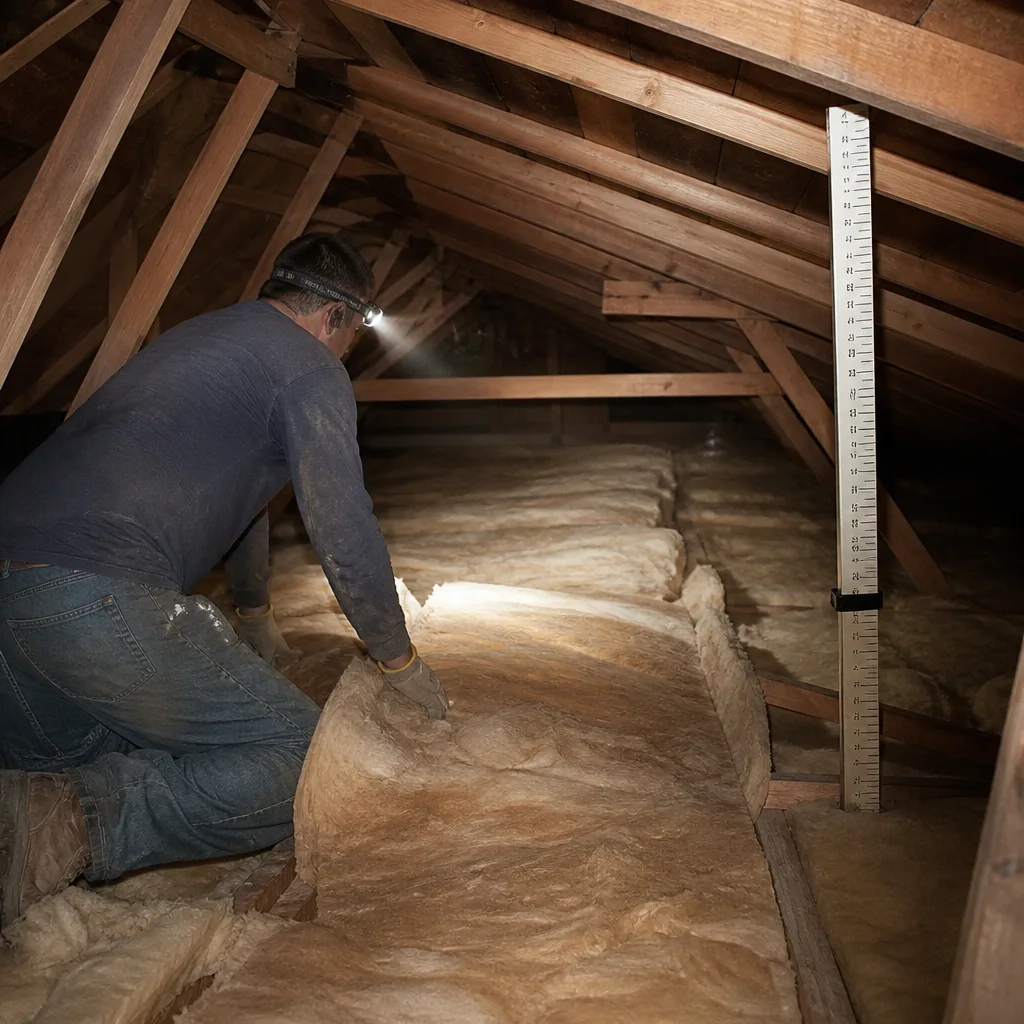
Current Title 24 requirements for Climate Zone 10 call for R-38 to R-49 in vented attics, which translates to 12-15 inches of blown fiberglass or 10-12 inches of cellulose depending on material density. Most Norwalk homes we restore were originally built to no code or pre-Title 24 standards with R-11 or less. We specify the target depth in your written scope and verify it with depth markers across the attic before we leave. Call (626) 509-3237 for a written price to bring your home to current standard.
Yes, if the attic isn’t properly air-sealed and baffled first. Santa Ana events drive dry, high-velocity air through soffit and gable vents, which can redistribute loose-fill toward the center of the attic and leave eaves and corners unprotected. Our crews install wind-washing barriers and proper baffles as part of the air-sealing phase before any insulation is added - it’s why we seal first, then insulate, in that order. Call (626) 509-3237 for an inspection of your current attic condition.
We typically specify Owens Corning fiberglass for attic restoration and GreenFiber cellulose for dense-pack wall work in Norwalk’s postwar housing. Fiberglass doesn’t absorb moisture and maintains R-value through the extreme attic temperatures these homes see. Cellulose packs tighter into wall cavities and fills the irregular spaces common in 1950s framing. The material choice is documented in your written scope before work starts, not decided on site. Call (626) 509-3237 for a written estimate with material specification included.
Written by Wes Okafor, Owner at Topside Attic Insulation La Puente, serving Norwalk since 2016 under The Haven Standard.