
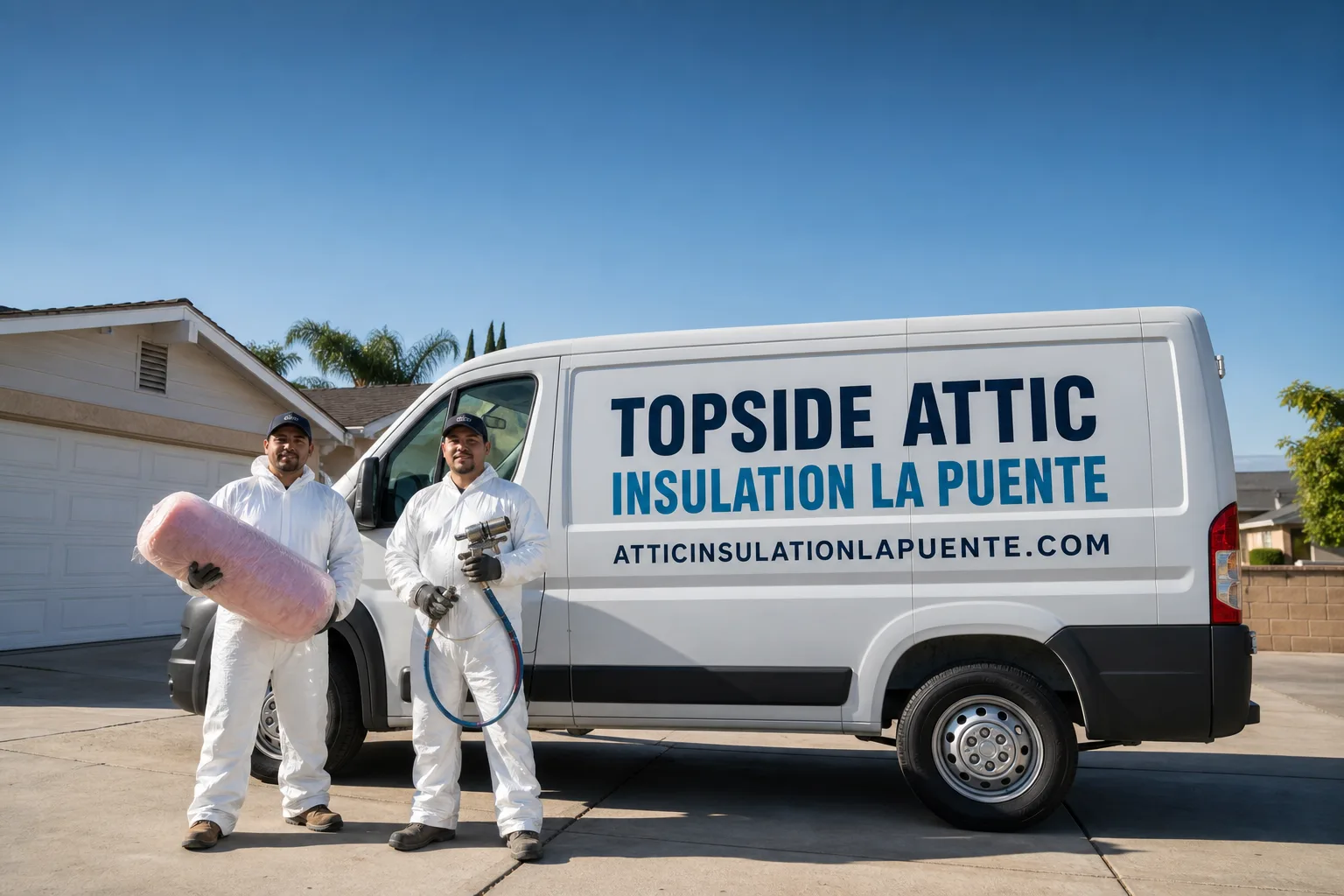
How Much Does Wall Insulation Cost in La Puente?
Our Wall Insulation services in La Puente, CA typically cost between $1.50 and $4.25 per square foot of wall area, depending on the insulation type, wall construction, and whether air sealing is done first. For a single-story La Puente home with roughly 1,200 square feet of exterior wall surface, most homeowners spend between $1,800 and $5,100 for a complete installation. Jobs that include proper air sealing before insulation – the way it should always be sequenced – run toward the higher end, but they’re the ones that actually change your energy bills.
Wall Insulation Cost Breakdown (2026)
Most insulation pricing in La Puente falls into predictable bands once you know the material and the method. The table below reflects what Envelope Insulation Co. sees in this market in 2026 – not national averages pulled from a contractor directory, but what jobs in the San Gabriel Valley actually cost when the work is scoped, written, and done correctly.
| Insulation Type | Method | Cost per Sq Ft (Wall Area) | Typical Job Total (1,000-1,500 sq ft wall) |
|---|---|---|---|
| Blown-in Fiberglass (Dense-Pack) | Small holes drilled, blown in, patched | $1.80 – $2.60 | $1,800 – $3,900 |
| Blown-in Cellulose (Dense-Pack) | Small holes drilled, blown in, patched | $1.50 – $2.40 | $1,500 – $3,600 |
| Open-Cell Spray Foam | Open wall (renovation/new wall) | $2.00 – $3.25 | $2,000 – $4,875 |
| Closed-Cell Spray Foam | Open wall (renovation/new wall) | $3.00 – $4.25 | $3,000 – $6,375 |
| Fiberglass Batt (new or open wall) | Open wall, cut-and-fit installation | $1.25 – $2.00 | $1,250 – $3,000 |
| Mineral Wool / Rockwool Batt | Open wall, cut-and-fit installation | $1.75 – $2.80 | $1,750 – $4,200 |
| Air Sealing (top plates, penetrations) | Prerequisite – completed before any insulation | $0.30 – $0.65 (add-on) | $300 – $975 (added to insulation cost) |
A few things to understand about these numbers. Dense-pack blown-in methods – where small holes are drilled through the existing drywall or exterior sheathing, material is packed in under pressure, and the holes are patched – are the most common choice in La Puente’s older neighborhoods like those around Valley Boulevard and the blocks east of Hacienda Boulevard. The housing stock in much of La Puente dates from the 1950s through 1970s, and those homes were built with little to no wall insulation. Dense-pack cellulose or fiberglass lets a contractor retrofit insulation without tearing out drywall, which keeps the total job cost significantly lower.
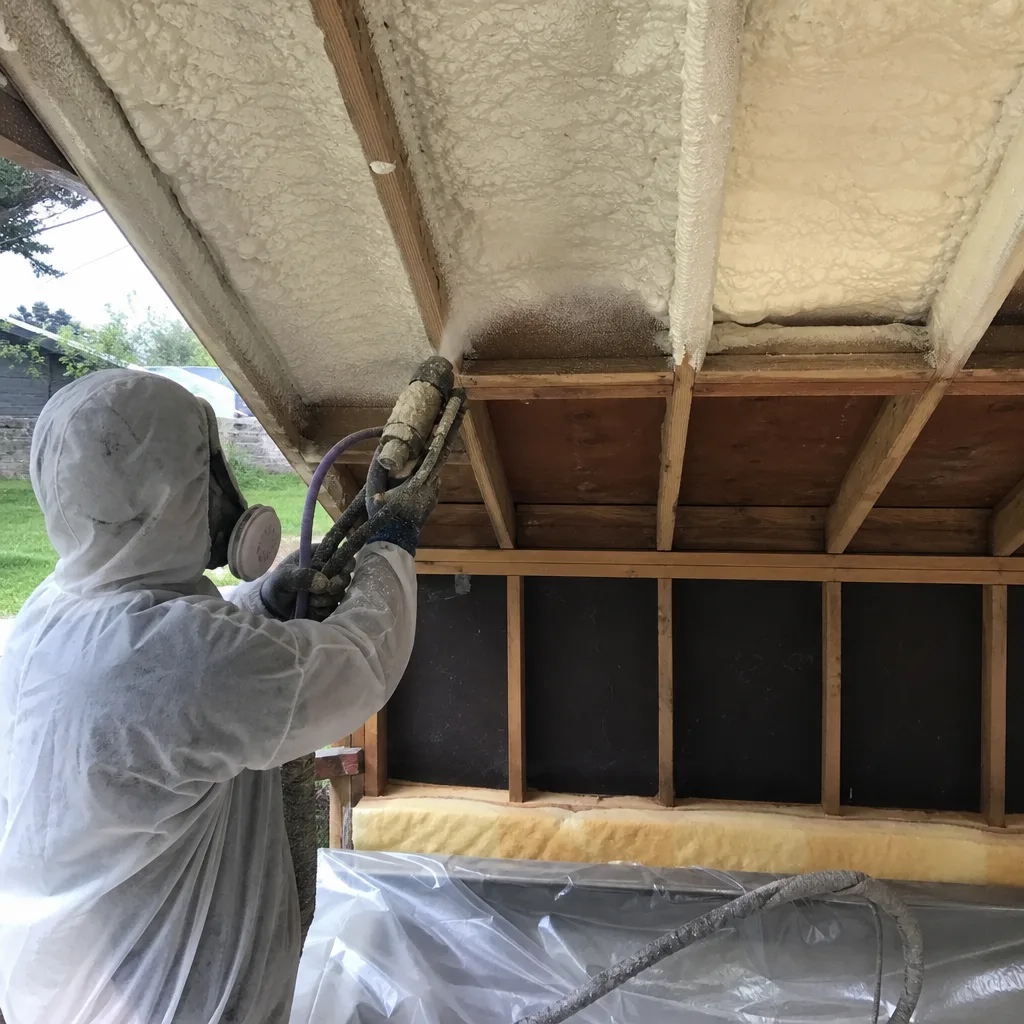
Spray foam costs more per square foot, but it comes up in two specific situations: walls that are already open during a kitchen or bathroom remodel, and older homes where air movement through the wall cavity is severe enough that loose-fill alone won’t address it. Closed-cell spray foam in particular runs between $3.00 and $4.25 per square foot in the La Puente market because the material cost for two-component polyurethane systems – like those from Icynene or Demilec – is higher, and the application requires specialized equipment and a trained crew. For most retrofit jobs in La Puente, dense-pack cellulose or fiberglass delivers the best performance-to-cost ratio.
The air sealing line item is not optional. At Envelope Insulation Co., air sealing of top plates, can lights, and wall penetrations is completed before any insulation goes in – every time, no exceptions. This is baked into the written scope you receive before work starts.
What Affects Wall Insulation Pricing in La Puente
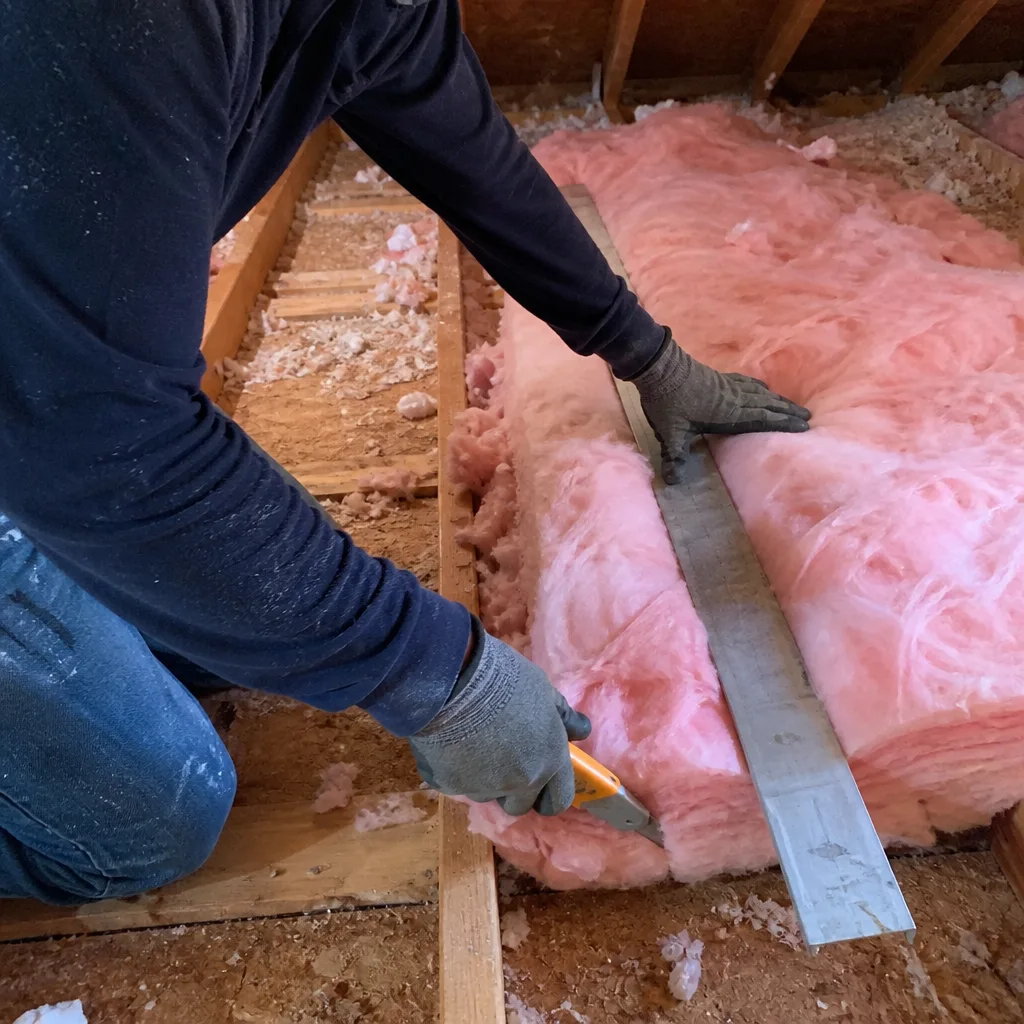
- Wall construction type: Standard 2×4 framing (common in La Puente homes built before 1980) holds less material than 2×6 framing, which means lower material volume and lower cost per wall. Homes with non-standard framing – older adobe construction or block walls near the east end of La Puente – require different techniques and typically cost more to address.
- Access method: Dense-pack retrofit work done through small exterior or interior holes costs less in drywall repair than jobs where walls are opened fully. If your project aligns with a planned renovation, opening walls during that remodel is the cheapest time to insulate – the labor overlap drops overall cost by 20 to 35 percent.
- Existing insulation condition: About 40 percent of La Puente homes we assess have partial or degraded fiberglass batts in some wall cavities. Settled or damaged material has to be removed before new insulation performs correctly – that removal step adds cost. Homes near the 60 freeway corridor also tend to have more airborne dust infiltration, which accelerates batt degradation.
- Wall height and accessibility: Single-story homes are straightforward. Two-story exteriors in newer La Puente tracts near Workman Mill Road require scaffolding or extended-reach equipment if the exterior approach is used, which adds $200 to $600 to the total depending on linear footage.
- Air sealing scope: The more bypasses – gaps at top plates, electrical penetrations, recessed lights – the more time air sealing adds to the job. Homes in La Puente built in the 1960s and early 1970s consistently have more bypasses than newer construction, because air sealing was not part of the building code until California’s Title 24 energy standards took effect.
- Material selection: Rockwool (mineral wool) batts from manufacturers like Rockwool/ROXUL cost more than standard fiberglass but provide better fire resistance and sound attenuation – relevant if your wall backs to a garage or shares a party wall. Owens Corning and Johns Manville fiberglass products sit at the lower end of the material cost range without sacrificing thermal performance when installed correctly.
La Puente Climate Context: Why Wall Insulation Performs Differently Here
La Puente sits in the eastern San Gabriel Valley at roughly 400 feet elevation, which gives it a climate pattern that catches homeowners off guard. Summers run hot – 95 to 105°F heat events are routine from June through September – but winter nights drop into the upper 30s and occasionally the low 30s, particularly on clear nights when radiative cooling is strong. That swing means your walls are working both directions: blocking radiant heat gain from the west-facing exterior in summer, and slowing conductive heat loss through uninsulated cavities in winter.
Uninsulated walls in La Puente don’t just make the house uncomfortable. They make the air conditioner run longer, and the AC is usually the largest single line item on a summer utility bill. A wall cavity with no insulation has an effective R-value of roughly R-1 to R-3, depending on stud spacing and air movement inside the cavity. Dense-pack cellulose at 3.5 inches fills a 2×4 cavity to approximately R-13, and dense-pack fiberglass hits R-15 at the same depth. That difference – from R-2 to R-13 – is large enough to show up on a blower-door test and on your Edison bill.
On applicable jobs, Envelope Insulation Co. records before-and-after blower-door readings – a pressurization measurement that shows, in one number, how much conditioned air the building envelope was losing before the work and how much it loses after. For La Puente homeowners, that documentation is useful beyond just verifying the job: it’s the evidence base if you ever apply for a Southern California Edison rebate or sell the home.
The Air Sealing Prerequisite: What It Means for Your Job
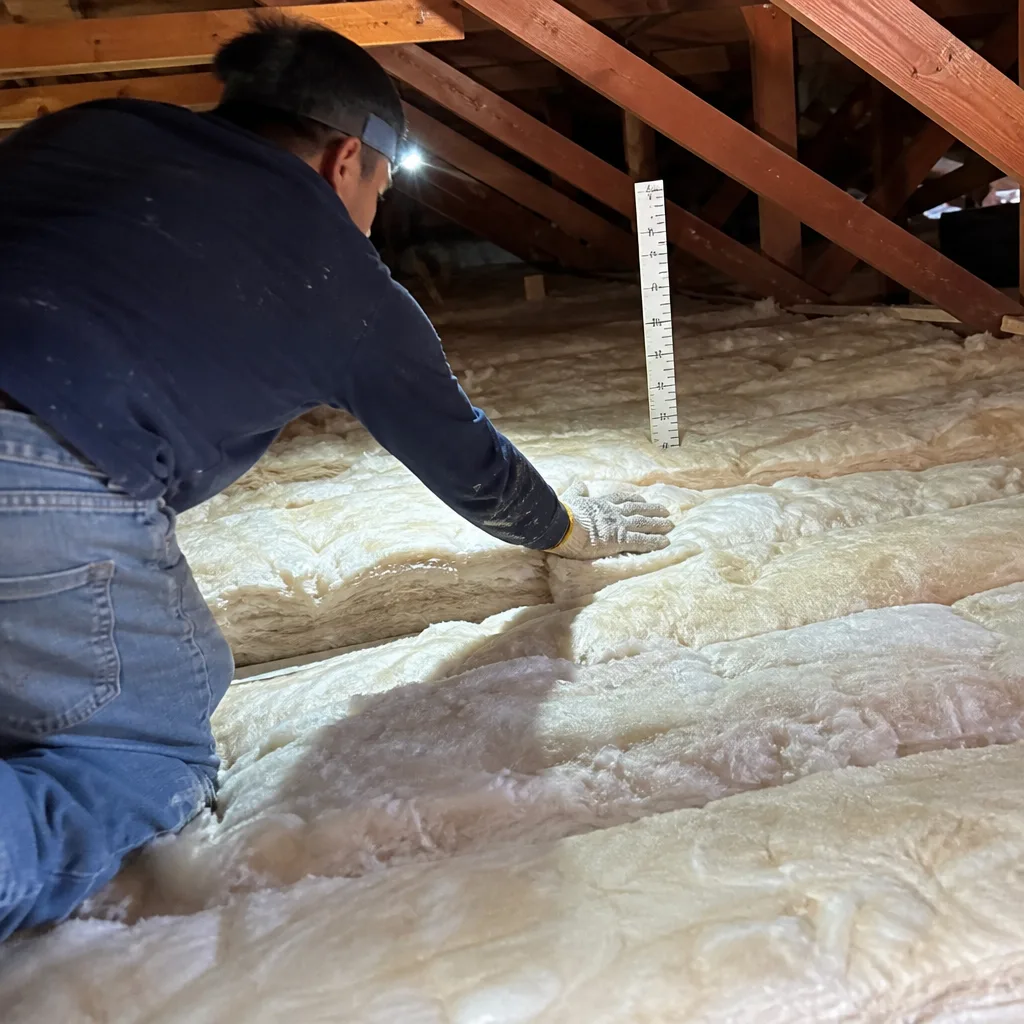
This is the part that separates a wall insulation job that performs from one that looks correct on paper but doesn’t change your bills.
Wall cavities in older La Puente homes are rarely truly isolated. Gaps at top plates – where the wall framing meets the attic floor – allow air to move freely between the wall cavity and the attic. Electrical penetrations, plumbing runs, and recessed light cans add to that bypass network. When warm or cold air moves through the cavity, it carries heat with it regardless of how much insulation is present. This is called convective looping, and it reduces the effective R-value of wall insulation by a measurable amount.
At Envelope Insulation Co., air sealing of these bypasses is completed before insulation is added – not offered as an upsell after the crew has already started. The written scope you receive before work begins will itemize both the air sealing and the insulation work, with a flat price for each. Under Haven Standard Clause 1, no work starts without that written price in your hands.
If you’ve received an estimate from another contractor that doesn’t mention air sealing, bring that estimate to us. We offer a free second opinion on any written estimate – we’ll read it with you and tell you exactly what’s included and what isn’t.
How to Save on Wall Insulation in La Puente
Time your project with an open-wall renovation. If you’re already planning to remodel a kitchen, update a bathroom, or replace exterior siding, that’s the cheapest possible moment to insulate. The wall cavity is accessible without the cost of drilling and patching, and the total project cost drops significantly. In La Puente’s older Puente Hills-adjacent neighborhoods where kitchen remodels are common in the 1960s-era ranch homes, this timing can reduce insulation labor costs by 25 to 35 percent.
Check Southern California Edison rebates before you commit to a material. Edison’s residential energy efficiency programs have historically offered rebates on qualifying insulation upgrades, and the amounts change year to year. As of 2026, it’s worth confirming with SCE whether your planned R-value improvement qualifies before you select a material – sometimes the rebate structure favors one product over another.
Bundle wall and attic work when possible. If your La Puente home needs both attic and wall insulation – which is true of most homes we assess that were built before 1980 – bundling both projects reduces mobilization cost. A crew that’s already on-site and already running blower-door equipment costs less per square foot than two separate mobilizations.
Get the air sealing done right the first time. Cutting air sealing out to lower the bid price is a false economy. A wall cavity that’s well-insulated but poorly sealed will still allow convective movement, and the thermal improvement will be smaller than the installed R-value suggests. The jobs in La Puente that we’re called in to assess after a previous contractor skipped air sealing consistently show blower-door numbers that didn’t improve as much as expected. Fixing that after the fact costs more than doing it correctly up front.
Get a written price before anyone starts. The single most reliable way to avoid cost surprises is to have a flat, written price with a written scope in hand before the crew arrives. That’s Haven Standard Clause 1, and it applies to every job Envelope Insulation Co. completes in La Puente. To get yours, call (626) 509-3237 – a live person answers, and free estimates are included.
What the Job Looks Like: From Written Scope to Documented Record
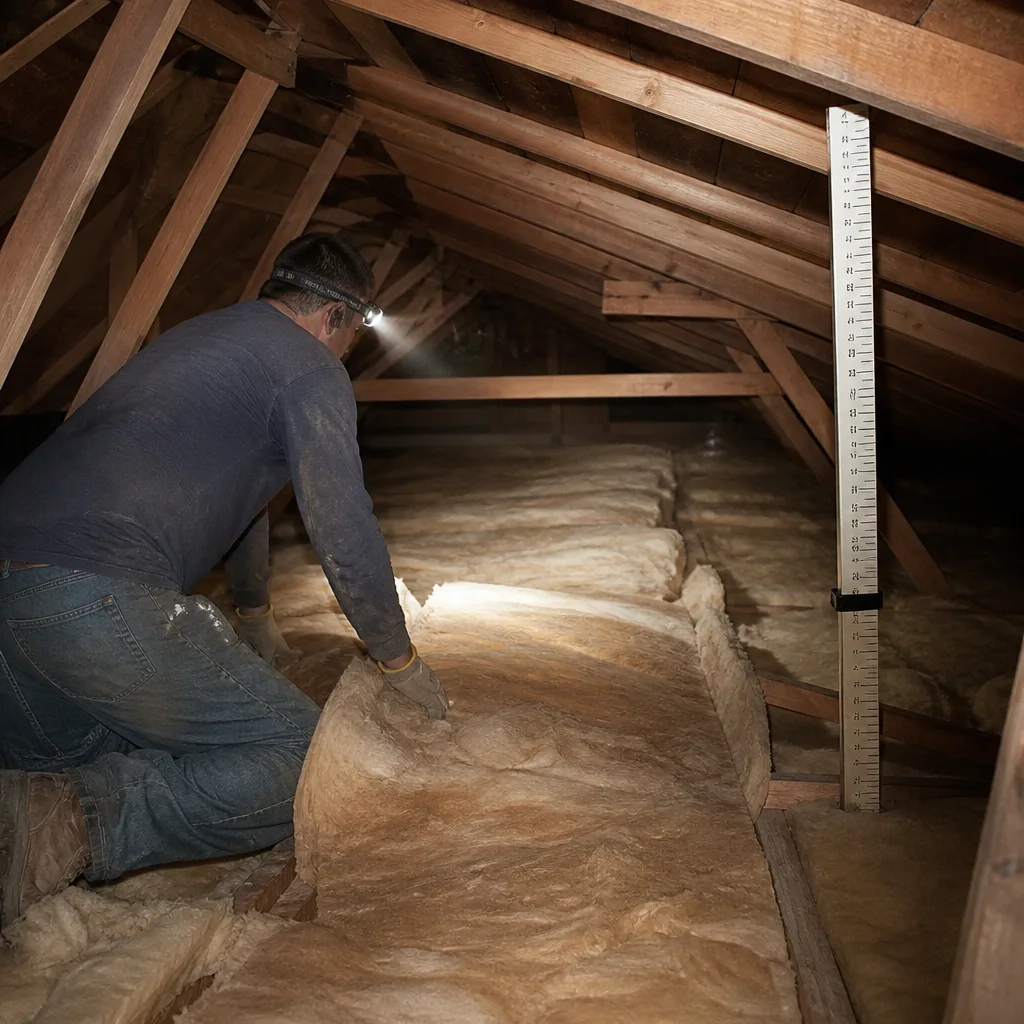
For a La Puente homeowner who hasn’t had wall insulation installed before, it helps to know exactly what a professional installation looks like from start to finish.
The process begins before anyone touches a tool. A written price and written scope are delivered to you – itemizing the air sealing work, the insulation material and type, the wall area covered, and the warranty terms. Nothing starts until you have that document. This is not a formality. It’s how Envelope Insulation Co. has operated since 2016, and it’s the foundation of the Haven Standard.
On the day of installation, a named technician – background-checked and uniformed – arrives within the scheduled window, and you receive a text when they’re on the way. For a dense-pack retrofit job, the crew will assess the wall cavities, mark drill hole locations (typically every 16 or 24 inches on center, matching stud spacing), and complete air sealing of top plates and identified bypasses before any insulation material is introduced. Dense-pack material is then blown in under controlled pressure until the cavity reaches the specified density – typically 3.5 pounds per cubic foot for cellulose. Holes are patched, the work area is cleaned, and a documented photo record is completed before the crew leaves.
On applicable jobs, a blower-door test – a pressurization reading that shows, in one number, how much air the building envelope is losing – is conducted before and after the work. Those two numbers are yours to keep. They tell you, concretely, what changed.
The 365-Day Done Right Promise covers the completed work. If something isn’t right, we make it right – that’s in writing before work begins.
Dense-Pack vs. Spray Foam for La Puente Walls: Which Makes More Sense?
The honest answer depends on what your walls look like and what problem you’re trying to solve.
Dense-pack blown-in – cellulose from GreenFiber or fiberglass from Knauf or Johns Manville – is the right choice for the majority of La Puente retrofit jobs. The walls stay intact, the cost is lower, and when installed correctly at the right density, the material doesn’t settle over time. Dense-pack cellulose is also the better choice for homes where some moisture movement through the wall is expected, because cellulose can absorb and release limited moisture without losing structural integrity.
Spray foam makes sense in specific situations: walls that are already open during construction or renovation work, wall assemblies where the cavity has complex shapes that loose-fill can’t fill completely, or situations where the wall needs to function as both an air barrier and a thermal barrier in one material. Open-cell spray foam from Icynene or Demilec costs more per square foot than cellulose but creates a continuous air barrier that’s difficult to replicate with blown-in material alone. Closed-cell spray foam adds a vapor retarder to that air barrier, which matters in some wall assemblies but is rarely required in La Puente’s climate zone (California Climate Zone 9).
Fiberglass or Rockwool batts are the right call when walls are open and the budget is limited. Batts installed correctly in an open 2×4 cavity deliver R-13 to R-15 at a lower material cost than spray foam. Rockwool batts from Rockwool provide better sound control and fire resistance – useful for walls shared with a garage or an adjacent unit. The limitation with batts is installation precision: a batt that’s compressed, torn, or installed with gaps performs significantly below its rated R-value.
Frequently Asked Questions: Wall Insulation Cost in La Puente
How much does it cost to insulate the walls of a 1,500-square-foot house in La Puente?
A 1,500-square-foot single-story home in La Puente typically has between 900 and 1,200 square feet of exterior wall surface area once windows and doors are subtracted. At current 2026 market rates, a dense-pack blown-in insulation job on a home that size runs between $1,600 and $3,100, including air sealing. Spray foam in the same home, if walls are open, would run $2,700 to $5,100 depending on foam type. The written estimate you receive before work starts will give you the exact number for your specific home. Call (626) 509-3237 for a free estimate – no work starts without a written price in your hands.
Is it worth insulating walls in an older La Puente home?
Yes, in most cases. Homes built in La Puente before 1978 were constructed with little to no wall insulation – California’s Title 24 energy standards weren’t in effect yet. An uninsulated 2×4 wall cavity has an effective R-value of roughly R-1 to R-3. Dense-pack cellulose brings that to R-13, which is a meaningful reduction in summer heat gain and winter heat loss. Payback periods in the San Gabriel Valley, where air conditioning costs are significant, typically run 5 to 9 years depending on the home’s size and how much the AC runs. The blower-door readings we record before and after give you documented evidence of the air-sealing improvement, separate from the thermal gain.
What’s the cheapest way to insulate existing walls without removing drywall?
Dense-pack blown-in cellulose is the least expensive retrofit option in La Puente’s market, running $1.50 to $2.40 per square foot of wall area. The process drills small holes through the existing drywall or exterior sheathing, packs material in under pressure, and patches the holes. No drywall removal is required. The patch points are typically 2 to 3 inches in diameter and are finished flush – most homeowners paint over them and they’re not visible. This method costs significantly less than any spray foam option and delivers comparable thermal performance to batts when installed at correct density.
Does wall insulation require a permit in La Puente?
In most cases, insulating existing walls in La Puente using blown-in retrofit methods does not require a building permit, because no structural work is being performed and the wall assembly isn’t being opened. However, if the project is part of a larger renovation that does require a permit, the insulation work will need to meet the current Title 24 requirements documented in that permit. Spray foam in an open wall is sometimes subject to inspection depending on the project scope. We verify the permit situation for each job during the written scope process – you’ll know before work starts whether a permit applies.
How long does wall insulation installation take in a La Puente home?
A dense-pack blown-in retrofit on a single-story La Puente home typically takes one full day, including air sealing and hole patching. Two-story homes with more exterior wall area generally run 1.5 to 2 days. Open-wall spray foam jobs on a renovation project can be completed faster if the walls are fully accessible, though cure time before drywall goes up varies by product – typically 24 hours for open-cell systems. The written scope your estimate includes will specify the anticipated timeline so you’re not guessing. Call (626) 509-3237 for a free estimate and timeline for your specific project.
Key Takeaways
- Wall insulation in La Puente costs $1.50 to $4.25 per square foot, with most single-story retrofit jobs totaling $1,800 to $5,100.
- Dense-pack blown-in cellulose or fiberglass is the most cost-effective retrofit method for older La Puente homes where drywall is intact.
- Air sealing of top plates, electrical penetrations, and can lights must be completed before insulation is added – not after, not as an optional add-on.
- La Puente homes built before 1978 typically have no wall insulation at all; upgrading from R-2 to R-13 produces a measurable utility impact.
- Before-and-after blower-door readings are included on applicable jobs – you receive those numbers when the crew leaves.
- A written price and written scope are delivered before any work starts, with no exceptions. That’s Haven Standard Clause 1.
- The 365-Day Done Right Promise covers all completed work in writing.
- If you’ve already received a written estimate from another contractor, bring it to us – free second opinions are part of what we offer.
Get a Written Price for Your La Puente Home
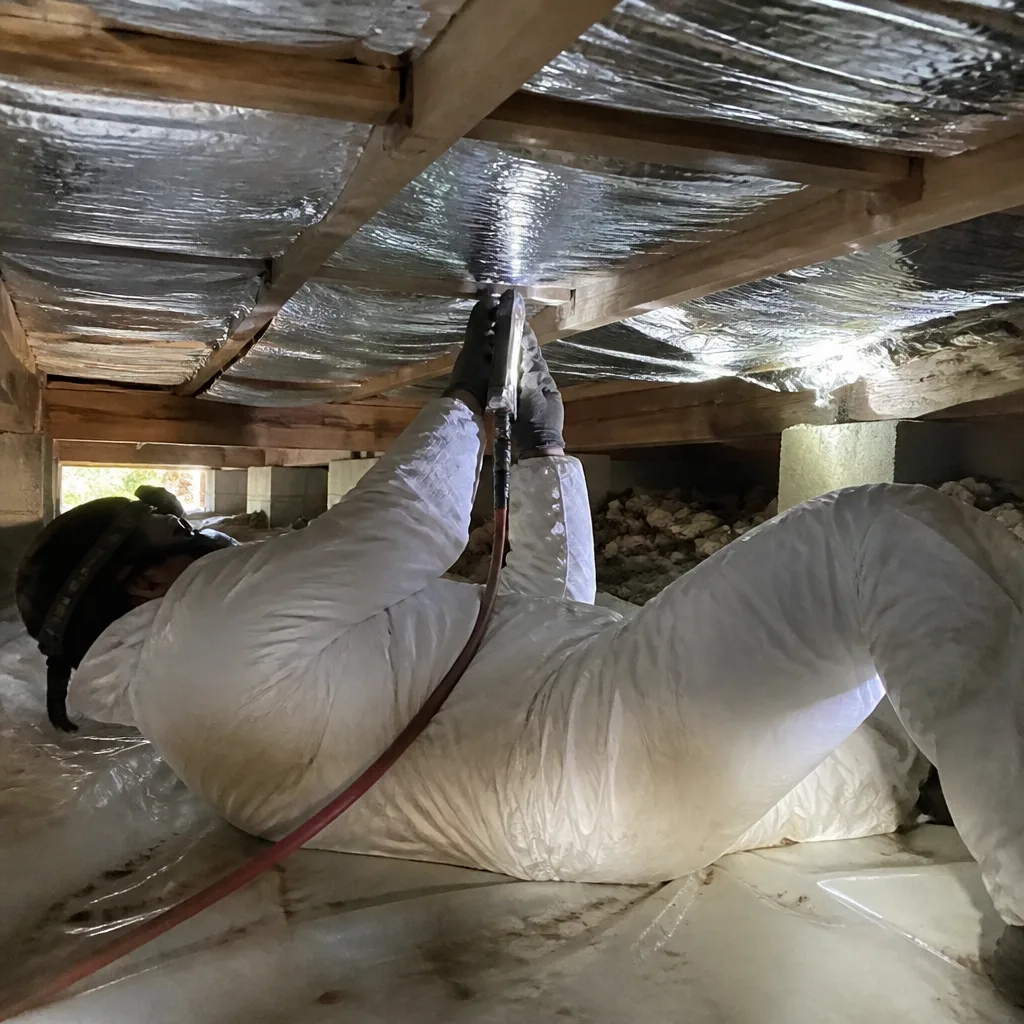
Envelope Insulation Co. has completed wall insulation and air sealing on homes across La Puente and the broader San Gabriel Valley since 2016 – over 9,000 jobs, every one with a written price before work started and a documented photo record when the crew left. Wes Okafor leads the team, and every job is held to the same Haven Standard regardless of size.
If you want to know exactly what wall insulation will cost for your specific home in La Puente – not a range, a number – call (626) 509-3237. A live person answers, estimates are free, and the written price you receive before anyone lifts a tool is guaranteed to be the price you pay. If you’ve already received an estimate from another contractor, bring it – we offer a free second opinion on any written estimate and will read it with you line by line.
You can also learn more about our Wall Insulation in La Puente service page, or visit our home page to see the full range of building-envelope services Envelope Insulation Co. provides.
Written by Wes Okafor, Owner at Envelope Insulation Co. (operating as Topside Attic Insulation La Puente), serving La Puente, CA since 2016. Pricing reflects the La Puente market as of 2026. Topside Attic Insulation La Puente offers free estimates – call (626) 509-3237.
What Our Customers Say
"Two other companies quoted to blow more insulation on top of what was there. These were the only ones who said the existing material had to come out first, and explained why."
- Clifford E."They air-sealed the attic floor before insulating and showed me the blower-door number before and after. The upstairs is finally the same temperature as downstairs."
- Marisol D."Crawl space encapsulation done properly. Photographs of the vapour barrier at every seam, and the damp smell in the hallway is gone."
- Ainsley P.