
Last updated September 24, 2026
Insulation Warning Signs: A La Puente Homeowner’s Reference Guide
The most common call we get begins with “the AC can’t keep up” - and in eight out of ten diagnostic visits in La Puente, the HVAC equipment is sized and functioning correctly. The problem is that conditioned air is leaving the building faster than the equipment can replace it. That’s an insulation and air-sealing failure, not a mechanical one. This guide - alongside our The Complete Guide to Insulation in La Puente - maps each warning sign to its likely insulation cause and the test that confirms or rules it out, so you stop chasing symptoms and start fixing the envelope.
Quick Answer
Failing insulation in La Puente homes typically announces itself through three proxy signals: energy bills that climb 10-15% year-over-year without rate changes, HVAC systems that run continuously during peak summer afternoons, and interior temperature differences greater than 4°F between rooms with doors closed. Most of these symptoms trace back to attic air leaks, compressed or displaced insulation, or moisture-damaged material - not to the HVAC equipment itself.
Table of Contents
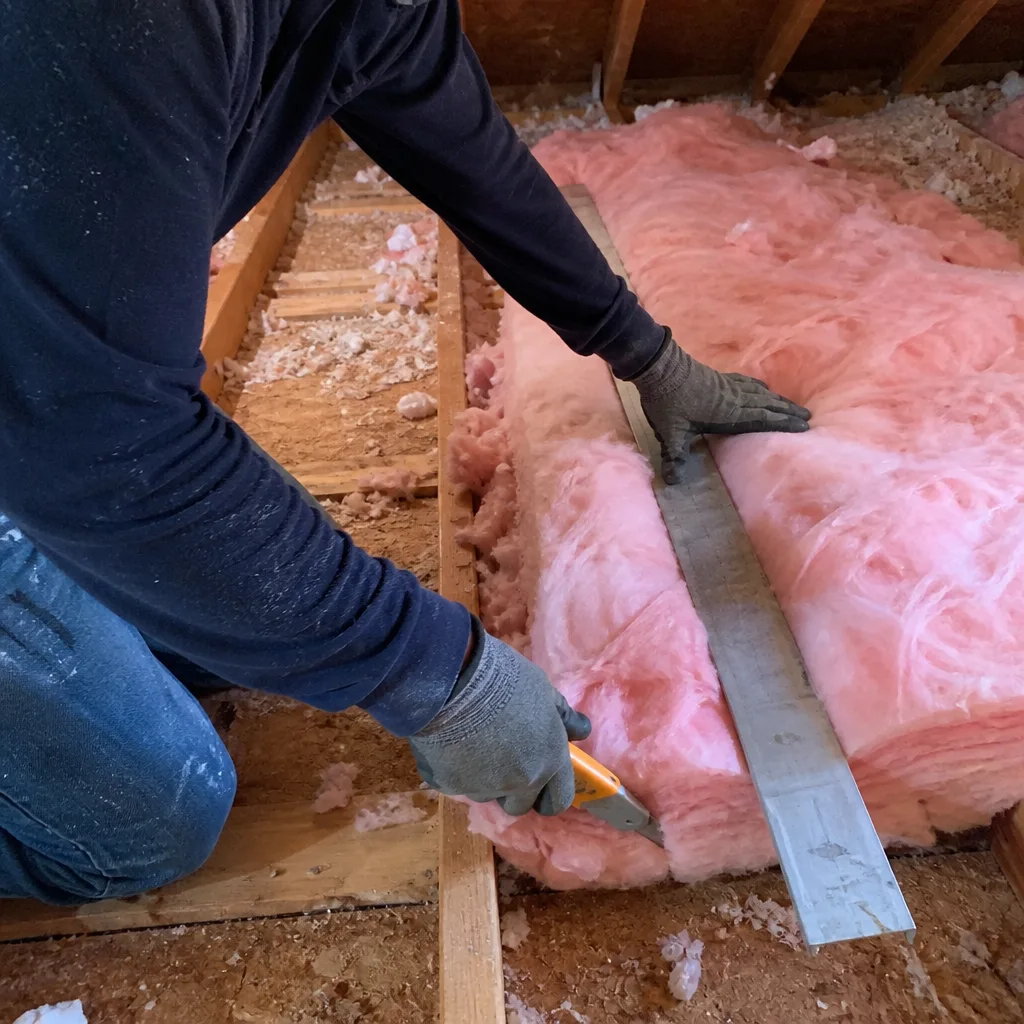
- How to Read Your Utility Bill for Insulation Failure
- The Three Interior Temperature Signatures of Attic Insulation Failure
- What You Can Safely Spot From the Attic Hatch
- The Smell Test: Musty Registers and Hidden Moisture
- When You Need a Blower-Door Test Versus Visual Inspection
- La Puente Climate Factors That Accelerate Insulation Problems
- Common Mistakes to Avoid
- When to Call a Professional
- Frequently Asked Questions
How to Read Your Utility Bill for Insulation Failure
Your utility bill is the earliest warning system for envelope failure, and most homeowners ignore it until the sticker shock becomes unavoidable. Here’s how to separate normal usage from insulation-related waste.
Step 1: Isolate the Cooling Season Trend
Pull your July and August bills from the last three years. In La Puente, where cooling degree days peak in August, a healthy home shows roughly parallel summer consumption year to year, adjusted for any rate increases from Southern California Edison. What you’re hunting for is a 15% or greater increase in kilowatt-hours used during the same billing period, with no corresponding change in thermostat setting, occupancy, or major appliance additions.
A 15% jump rules out simple rate inflation and points toward either duct leakage, envelope air leakage, or degraded insulation. A 30% jump strongly suggests multiple failures - typically attic bypasses combined with compressed or moisture-compromised insulation.
Step 2: Compare kWh to Cooling Degree Days
Cooling degree days (CDD) measure how much cooling your climate demands. The National Weather Service publishes these for the Los Angeles Basin. If CDD increased 5% but your kWh increased 20%, the excess 15% is your insulation penalty. We see this pattern frequently in La Puente’s older neighborhoods near Old Valley Boulevard, where 1950s and 1960s ranch homes still carry original fiberglass batts that have settled to half their labeled R-value.
Step 3: Check the Demand Charge Pattern
Time-of-use rate plans show when your peak demand occurs. Insulation failure pushes peak demand earlier in the afternoon and extends it longer, because the thermal mass of your attic and walls is absorbing more heat that must be overcome. A healthy home in La Puente typically peaks between 4-6 PM; an under-insulated home peaks from 2-7 PM with a broader, flatter curve.
What the Bill Cannot Tell You
Utility data shows that something is wrong, not what is wrong. A 15% increase could be duct leakage, a failing condenser, or attic insulation compressed by storage activity. The bill trend narrows the investigation; it does not complete it. For that, you need either a visual attic inspection or a blower-door test - both covered in our Attic Insulation Maintenance Checklist for La Puente Homeowners.
At Topside Attic Insulation La Puente home, we offer free second opinions on any written estimate, including utility bill analysis. Bring us three years of summer bills and we’ll show you what the trend suggests and what tests confirm it.
The Three Interior Temperature Signatures of Attic Insulation Failure
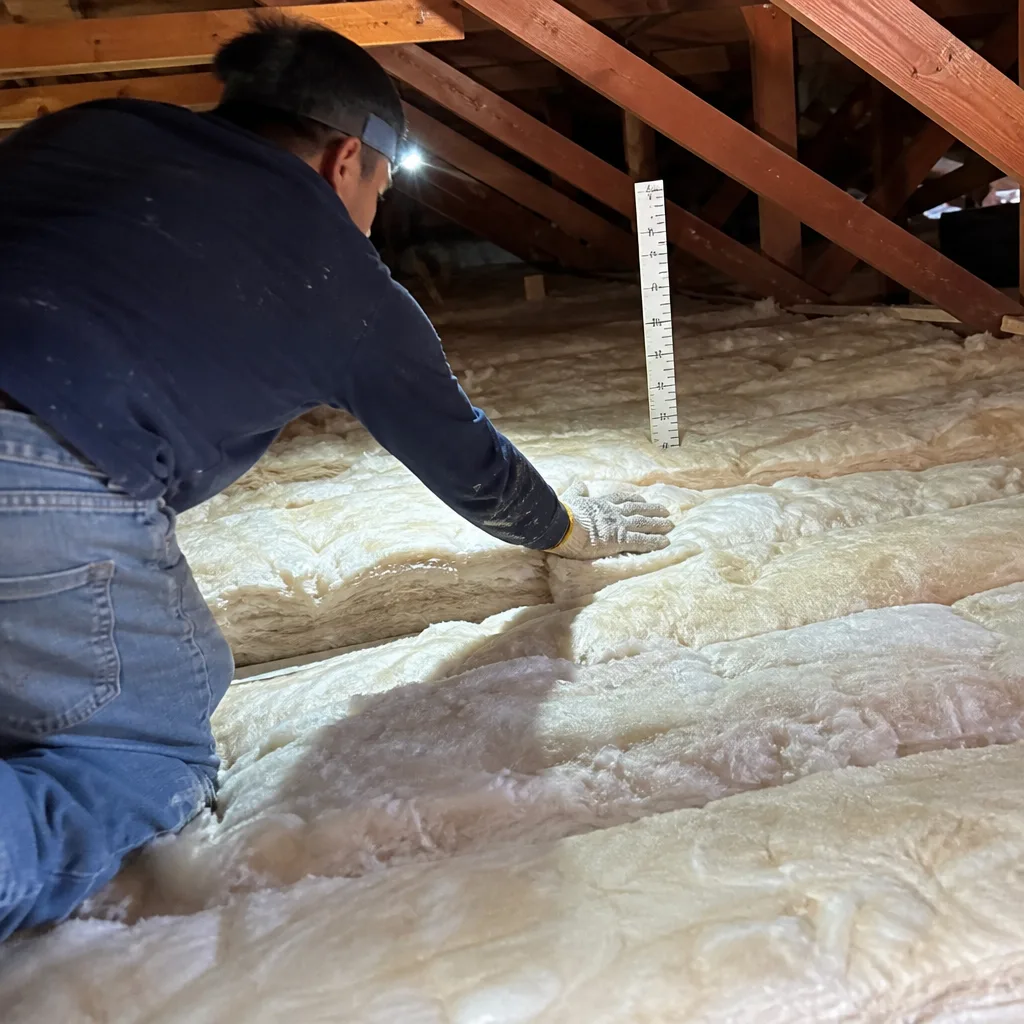
Your thermostat and your body register insulation failure before your eyes do. These three patterns are diagnostic - each points to a specific attic condition.
Signature 1: Hot Second Floors in Summer
In La Puente’s two-story homes, particularly the split-levels common north of Amar Road, a second floor that runs 6-10°F warmer than the first floor in July indicates attic floor insulation failure combined with stack effect. Warm air rises through the building, and without adequate resistance at the attic floor, it accumulates upstairs. The HVAC system, sized for the whole home, cannot overcome this thermal stratification.
The specific cause is usually one of three conditions: insulation displaced by wind washing at the eaves, batts compressed below their labeled thickness by foot traffic or storage, or top plates and wire penetrations left unsealed during original construction. In homes built before Title 24 energy standards tightened in 2005, unsealed top plates are nearly universal.
Signature 2: Cold Ceiling Drywall in Winter
Stand on a chair and touch your ceiling on a January morning. If the drywall feels cold - not room-temperature, but actively cool - your attic insulation has lost contact with the ceiling plane or has fallen below adequate R-value. In La Puente, where winter nights dip into the 40s, this condition creates convective loops: warm interior air contacts the cold drywall, cools, and falls, creating a draft sensation that homeowners often mistake for window leakage.
We documented this exact pattern in a 1978 home near Hacienda Boulevard last winter. The blower-door test read 3,800 CFM50 before work - a pressurization reading that shows, in one number, how much air the building envelope was losing. After sealing top plates, can lights, and a chimney chase, then adding blown-in Rockwool to achieve R-38, the reading dropped to 1,900 CFM50. The homeowner reported the “drafty” sensation disappeared within 48 hours, though no windows had been touched.
Signature 3: Room-to-Room Variance Greater Than 4°F
Close all bedroom doors for two hours on a summer afternoon, then measure temperatures. Variation up to 3°F is normal, driven by solar exposure and duct balancing. Beyond 4°F, you’re looking at either duct leakage or envelope failure specific to one room’s ceiling or wall cavity.
In La Puente, we see this most often over garages converted to conditioned space without proper ceiling insulation, or in rooms with kneewall attic access where the builder omitted blocking and air sealing. The fix is rarely more insulation alone; it’s sealing the boundary first, then insulating. That’s Haven Standard practice - sealed first, then insulated, in that order.
What You Can Safely Spot From the Attic Hatch
You don’t need to walk your attic to gather useful intelligence. These observations from the hatch, made safely with a flashlight and a phone camera, tell a trained eye plenty.
Discolored Insulation
Fresh fiberglass is yellow, pink, or white depending on manufacturer - Owens Corning is pink, Johns Manville is white, CertainTeed is often yellow. Darkened or grayed insulation indicates air movement through the material, carrying dust and particulate that deposit on fibers. This “filtering” effect means the insulation is being bypassed by air flow, rendering it largely ineffective. In La Puente’s windy spring months, we see this pattern concentrated near eave vents where wind washing has created channels through loose-fill material.
Missing or Displaced Baffles
Baffles - also called rafter vents or vent chutes - are cardboard or foam channels that maintain airflow from soffit vents up to the ridge vent. Without them, wind blows insulation back from the eave, exposing the ceiling drywall and creating a thermal short. From the hatch, look for bare ceiling drywall at the eave edges or insulation piled deeper in the center of the attic than at the perimeter. Both indicate missing or failed baffles.
Daylight at Eave Soffit
Daylight visible where the roof meets the wall means your soffit vent is open - which is good - but it also reveals whether insulation has been properly dammed to prevent wind washing. If you see daylight and no insulation directly below it, that’s a thermal bypass. If you see insulation pushed right up against the soffit with no air gap, that’s a moisture risk - blocked ventilation leads to attic condensation, particularly in La Puente’s marine-influenced climate where morning humidity spikes before burning off.
Storage Compression
Plywood decking laid directly on joists compresses insulation below to the thickness of the joist - typically 6 inches, or about R-19. In a climate zone that calls for R-38 to R-49, that’s half the thermal resistance. From the hatch, note whether storage platforms cover more than 20% of the attic floor. If so, that insulation needs to be relocated or supplemented with blown-in material around the platform perimeter.
Safety Note
Do not walk on ceiling drywall. It will not support your weight. If you need closer inspection, use a plank spanning at least three joists, or call a professional. Attic falls through ceiling are a genuine injury risk, particularly in older homes with 24-inch joist spacing or water-damaged framing.
The Smell Test: Musty Registers and Hidden Moisture
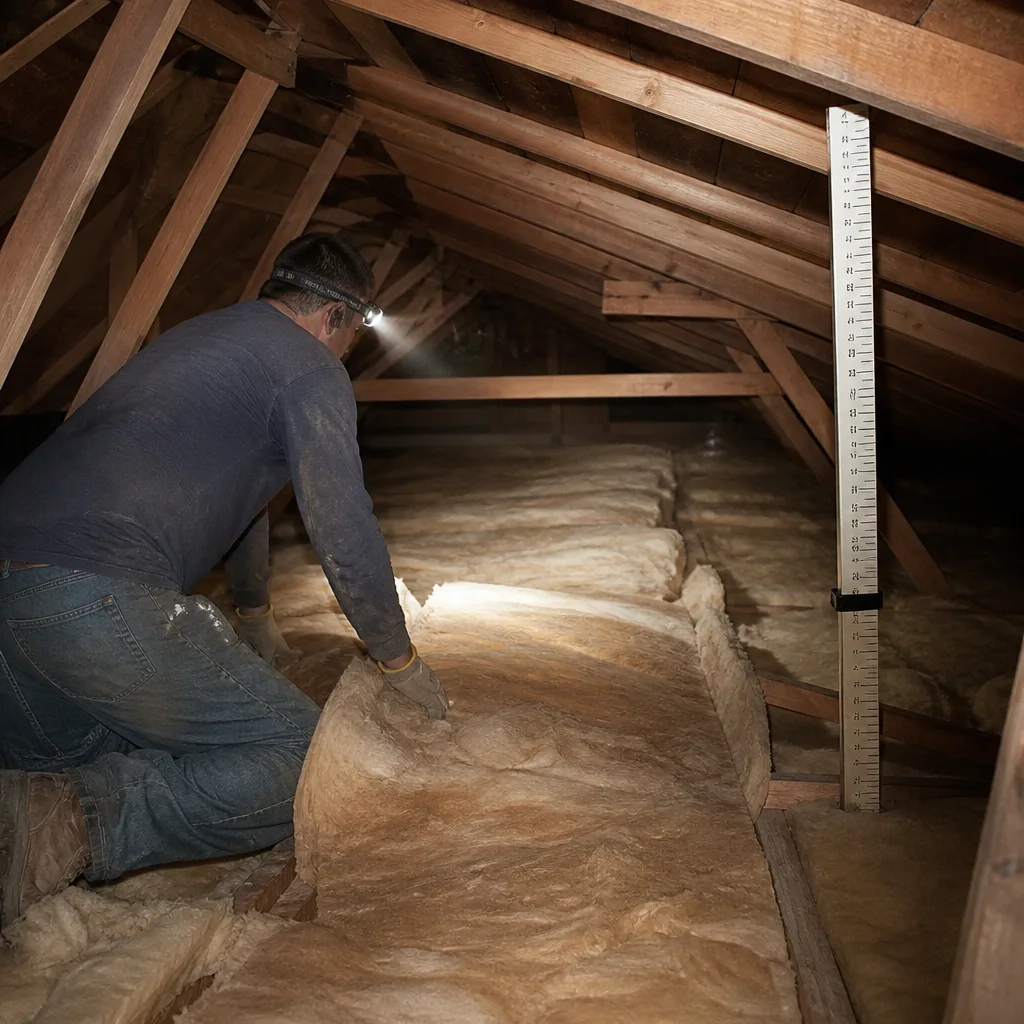
Odor is an underutilized diagnostic tool. Your nose detects microbial growth before your eyes see staining, and the location of musty smells maps directly to insulation failure modes.
Musty Supply Registers
When conditioned air smells musty at the supply register, the cause is rarely the duct interior itself. More commonly, attic air - warm, humid, and often carrying dust and rodent activity - is being drawn into the duct system through leaks at joints, boots, or flex connections. This attic air passes through insulation that has absorbed moisture from condensation events, picking up the characteristic musty odor.
In La Puente, this pattern spikes in September and October, when overnight temperatures drop enough to create condensation on ductwork carrying 55°F supply air through a 75°F attic. The insulation surrounding those ducts, if not vapor-sealed, becomes a moisture sink. Once fiberglass or cellulose reaches 20% moisture content by weight, it supports mold growth and loses R-value permanently.
The Duct Boot Test
Remove one supply register cover and shine a flashlight into the boot - the sheet metal transition from duct to wall. If you see discolored insulation, rust on the boot, or feel cool air escaping into the wall cavity, you have a leakage point that is both wasting energy and creating a moisture pathway. This is visual confirmation that requires no specialized equipment.
When Smell Indicates Removal, Not Repair
If musty odor persists after duct sealing and the insulation shows staining or compaction, removal and replacement is the correct scope. Attic Insulation in La Puente homes with rodent activity or past roof leaks often requires full removal before new material can be installed. We document this condition with photos before touching anything - part of our Documented Photo Record on every visit - so the homeowner understands why removal is necessary rather than overlay.
When You Need a Blower-Door Test Versus Visual Inspection
Not every symptom requires pressurized measurement. Knowing the difference saves you money and prevents contractors from substituting guesswork for documentation.
Visual Inspection Alone Is Sufficient When:
- Insulation is visibly displaced, compressed below half thickness, or water-stained
- Baffles are missing or damaged, observable from the hatch
- Duct boots show rust or separation, visible at the register
- Daylight penetrates at multiple soffit locations, indicating widespread wind washing
In these cases, the failure mode is obvious and the fix is straightforward. A contractor who insists on blower-door testing here is either inexperienced or padding the scope.
Blower-Door Testing Is Required When:
- Symptoms exist but visual inspection shows apparently intact insulation
- Room-to-room temperature variance exceeds 4°F with no visible cause
- Energy bills increased 15%+ but the attic looks “fine”
- A previous insulation upgrade failed to deliver comfort improvement
- You need to verify that air sealing was performed correctly on a completed job
The blower-door test - a pressurization reading that shows, in one number, how much air your building envelope is losing - depressurizes the house to -50 Pascals and measures airflow in CFM50. A La Puente home of 1,800 square feet built in the 1970s typically tests between 3,500 and 5,000 CFM50 before sealing. After proper air sealing and insulation, that figure should drop below 2,500 CFM50, with best-performing retrofits reaching 1,800 CFM50 or lower.
How to Spot Guesswork Masquerading as Diagnosis
A contractor who walks your attic for five minutes and declares “you need more insulation” without measurement, without noting specific R-value, and without identifying air leakage pathways, is guessing. At Envelope Insulation Co., we publish before-and-after blower-door numbers on every applicable job. If a contractor cannot or will not show you a number that demonstrates improvement, you have no verification that you received what you paid for.
The Haven Standard requires it: flat price, written scope, written warranty before anyone lifts a tool - and on applicable jobs, documented blower-door readings before and after. Anything less is not a standard; it’s a sales pitch.
La Puente Climate Factors That Accelerate Insulation Problems
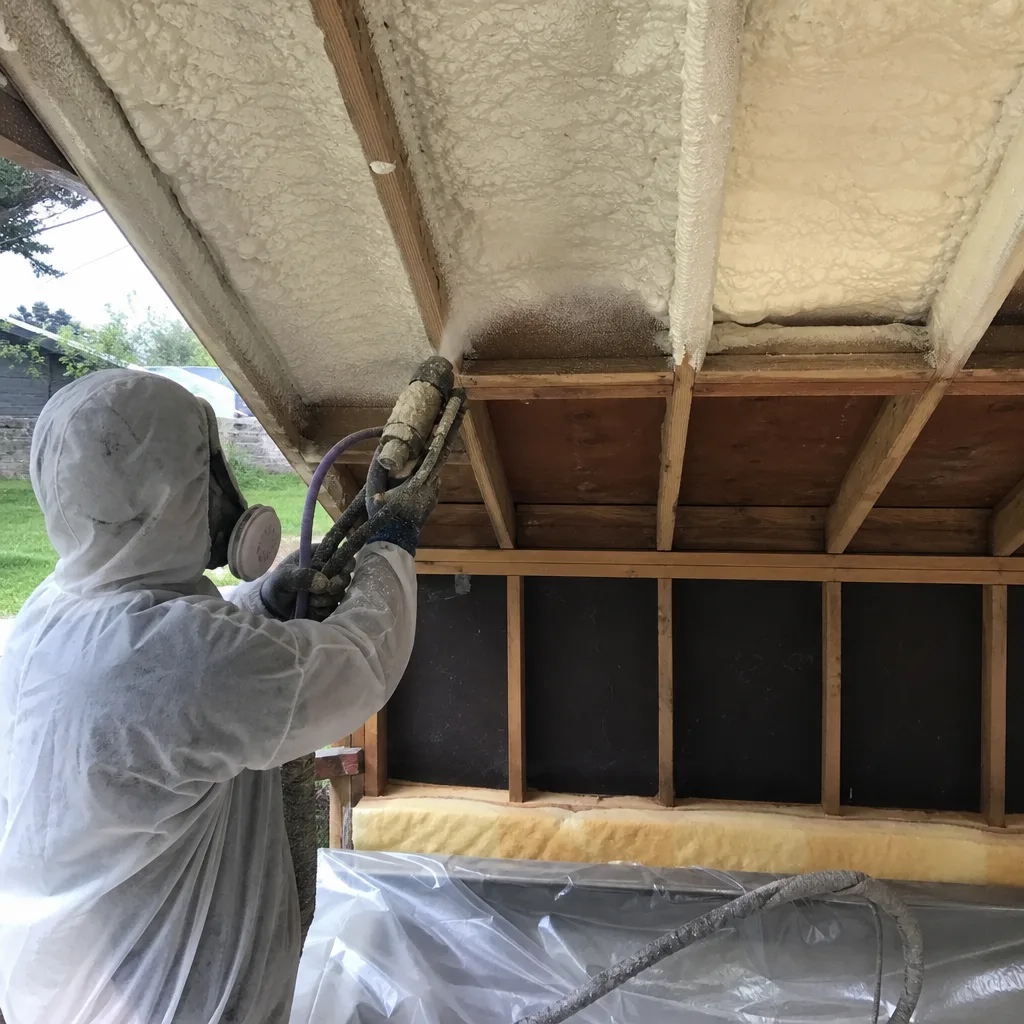
La Puente sits in the San Gabriel Valley’s thermal basin, where summer temperatures regularly exceed 90°F and winter mornings drop into the low 40s - conditions we detail season by season in our Seasonal Insulation Care for La Puente: Year-Round Homeowner’s Guide. This 50°F annual swing stresses building envelopes more than coastal Los Angeles, and several local factors make insulation failure more likely here than in nearby communities.
Santa Ana Wind Events
The dry, high-velocity Santa Ana winds that descend through the Cajon Pass pressurize attic spaces and drive wind washing - the displacement of loose-fill insulation from eave to ridge. Homes without proper baffles or with degraded eave dams lose insulation effectiveness within hours of a major event. We inspect attics in La Puente after every significant Santa Ana period and routinely find bare patches where insulation was uniform weeks before.
Marine Layer Intrusion
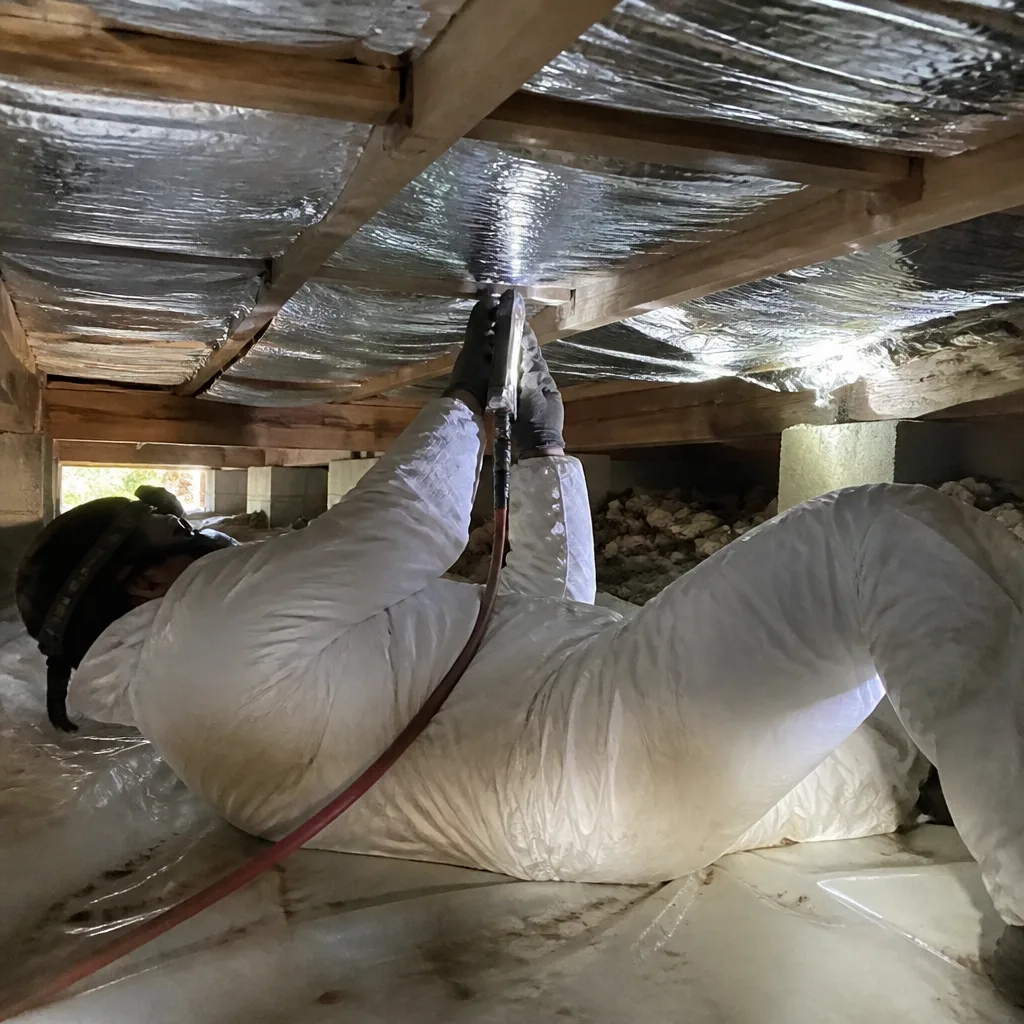
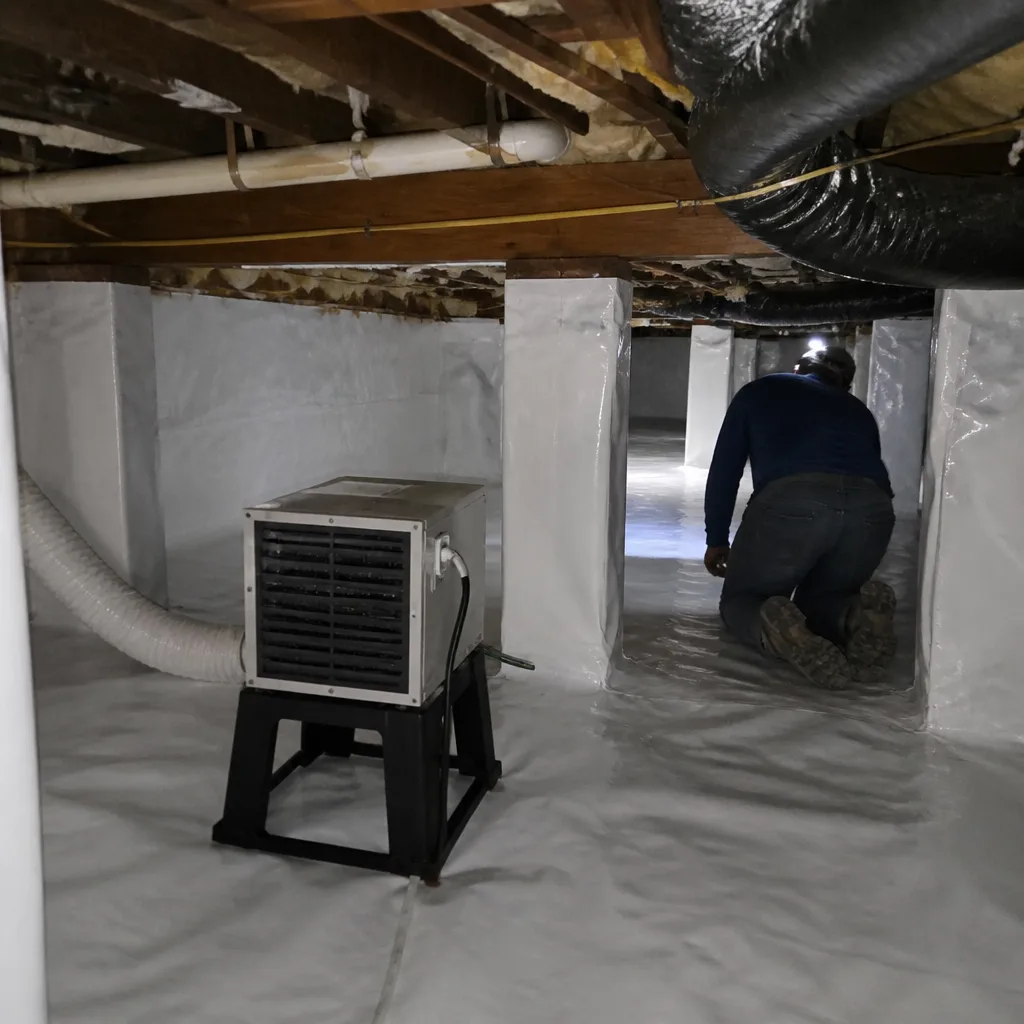
Unlike the inland Empire, La Puente receives morning marine layer influence that elevates attic humidity before afternoon sun drives it off. This daily humidity cycle means attic insulation experiences more wet-dry cycling than pure desert climates, accelerating degradation of paper-faced batts and creating condensation risk on ductwork. Vapor barrier installation - part of our Crawl Space Encapsulation & Vapor Barrier in La Puente service - is often necessary in floor cavities as well as attics.
Title 24 Compliance Gaps
Many La Puente homes were built before California’s energy code required R-38 attic insulation and verified air sealing. Post-2005 construction generally performs adequately; pre-1990 construction rarely does without retrofit. The specific gap we encounter most: homes with R-19 batts labeled “insulated” by original builders, but with no air sealing at top plates, electrical penetrations, or chimney chases. The insulation is present but bypassed by air flow.
Soil Conditions and Crawl Space Impact
La Puente’s clay-heavy soils retain moisture and transmit it through foundation walls into crawl spaces. Homes with vented crawl spaces and no vapor barrier experience elevated humidity that migrates upward through floor assemblies, degrading subfloor insulation and creating conditions for mold. This is not an attic problem, but it produces identical symptoms - musty odors, cold floors, elevated heating bills - that homeowners misattribute to attic failure. A complete envelope assessment checks both boundaries.
Common Mistakes to Avoid
- Adding insulation over unsealed air leaks. New insulation blown over bypassed top plates and can lights performs at roughly half its rated R-value because air moves freely through it. The correct sequence is seal first, insulate second - always.
- Compressing insulation with storage platforms. Every plywood sheet laid on joists crushes R-38 to R-19 beneath it. Use raised storage platforms that span joists and preserve full insulation depth, or relocate storage to the garage.
- Ignoring duct leakage before insulating. A duct system leaking 20% of its supply air into the attic will still leak after insulation is added - the insulation simply hides the problem. Test and seal ducts first; the comfort improvement alone often postpones the need for additional insulation.
- Assuming more R-value is always better. In La Puente’s climate, R-38 properly installed with complete air sealing outperforms R-60 with bypasses. Diminishing returns set in rapidly above R-49, while air leakage can halve effective performance at any R-value.
- DIY spray foam in occupied spaces. Two-component polyurethane foam requires respiratory protection, precise temperature control, and proper ignition barrier application. Spray Foam Insulation in La Puente is best left to technicians trained in SPF application - the material is effective but unforgiving of installation error.
- Neglecting to verify contractor work. If a contractor cannot show you before-and-after photos, a written scope matching what was installed, and on applicable jobs, blower-door numbers demonstrating improvement, you have purchased a promise, not a result. Under Haven Standard, you receive all three before final payment.
When to Call a Professional
Call for assessment when: your summer cooling costs have climbed 15% or more year-over-year; temperature differences between rooms exceed 4°F with doors closed; you observe discolored, compressed, or displaced insulation from the attic hatch; or musty odors persist at supply registers despite filter changes. These symptoms do not resolve themselves - they degrade progressively, and the cost of delayed action is both comfort loss and accelerated HVAC wear.
Topside Attic Insulation La Puente offers free estimates in La Puente. We’ll analyze your utility trend, inspect your attic from the hatch, and if symptoms warrant, perform blower-door testing to pinpoint air leakage you cannot see. Every estimate is written - no work starts without a flat price, written scope, and written warranty delivered in hand. Call (626) 509-3237 to schedule.
Frequently Asked Questions
Most complete attic insulation jobs in a La Puente home of 1,500-2,000 square feet run between $2,800 and $5,400, depending on whether removal of existing material is required, whether air sealing is needed before insulation, and whether baffles or vent repairs are included. Jobs requiring only blown-in overlay over intact existing insulation fall at the lower end; jobs with full removal, rodent cleanup, and air sealing fall higher. We provide a written price before any work starts - no exceptions. Call (626) 509-3237 for an exact quote; estimates are free.
Overlay is appropriate only when the existing insulation is dry, uncompressed, and the attic floor has been properly air sealed. In La Puente, we find that fewer than 30% of attics meet all three conditions without some remediation first. Adding material over damp, compressed, or bypassed insulation traps moisture, hides air leaks, and wastes money. A visual inspection from the hatch determines whether overlay is viable or removal and restart is the correct scope.
Properly installed fiberglass or mineral wool insulation maintains rated performance for 80-100 years if protected from moisture and disturbance. In practice, La Puente attics rarely provide that protection. Roof leaks, duct condensation, storage activity, and wind washing degrade insulation to ineffective levels within 15-25 years. Cellulose, treated with borate fire retardant, settles 10-15% in the first two years and requires depth verification; beyond that, it performs comparably to fiberglass if kept dry.
Continuous AC operation with poor upstairs cooling indicates that conditioned air is leaving the building envelope faster than the system can replace it, or that thermal stratification is overwhelming the system’s capacity. In La Puente’s two-story homes, the most common cause is unsealed top plates and wire penetrations at the attic floor, combined with insulation compressed below R-38. The HVAC system is sized correctly; the building envelope is performing at half its design standard. Air sealing and insulation restoration fix this - not a larger air conditioner.
A blower-door test is a pressurization measurement that shows, in one number, how much air your building envelope is losing. A powerful fan mounts in an exterior door, depressurizes the house to -50 Pascals, and a manometer measures airflow in CFM50. You need this test when symptoms exist but visual inspection shows apparently intact insulation, or when you want to verify that a contractor’s air sealing actually worked. You do not need it when insulation is visibly displaced, compressed, or water-damaged - the failure mode is already obvious. At Envelope Insulation Co., we provide before-and-after blower-door numbers on every applicable job so you can verify your result.
Spray foam provides superior air sealing and higher R-value per inch, making it ideal for tight spaces like cathedral ceilings or conditioned attics where depth is limited. For standard vented attics with adequate joist depth, blown-in fiberglass or mineral wool at R-38 to R-49, combined with thorough air sealing, delivers comparable thermal performance at lower cost. The choice depends on your specific attic geometry, budget, and whether you’re conditioning the attic space. We specify materials from Owens Corning, Johns Manville, Knauf, Rockwool, and CertainTeed based on application - no proprietary lock-in, ever.
The Bottom Line
Insulation failure in La Puente rarely looks like insulation failure. It looks like an AC that can’t keep up, a bill that keeps climbing, and a second floor that stays stubbornly hot. The homeowners who solve it fastest are the ones who stop blaming their HVAC equipment and start testing their building envelope. Read your utility trend for the 15% warning signal. Feel your ceiling for cold drywall. Look through the attic hatch for discolored material and missing baffles. And when symptoms are clear but causes are hidden, demand a blower-door test with documented numbers - not a contractor’s guess. The fix is usually less expensive than replacing your air conditioner, and the verification is always in the measurement.
Written by Wes Okafor, Owner at Topside Attic Insulation La Puente, serving La Puente since 2016.