
Last updated September 24, 2026
Insulation Permits, Codes & Inspections in CA: What You Need to Know
Adding insulation to an existing attic in California does not automatically require a permit - but the moment a contractor touches the HVAC system in the same project, or the work crosses a dollar threshold that varies by jurisdiction, the permit requirement kicks in. Most homeowners find this out from the buyer’s inspector, not their contractor. In La Puente, where many homes were built between 1950 and 1980 with minimal original attic insulation, we regularly meet homeowners who received a clean-looking insulation upgrade only to discover at resale that the work was never inspected, never documented, and now sits in a gray zone of California disclosure law. This guide explains the actual compliance path for existing homes, not the new-construction rules that most online resources recycle. For more guides & resources on La Puente insulation, see our blog.
Quick Answer
Insulation work on an existing California home typically does not need a permit if it is a straightforward “like-for-like” replacement with no structural, electrical, or HVAC changes and the job value stays below your local jurisdiction’s threshold - often $1,000 in Los Angeles County unincorporated areas, though La Puente and other incorporated cities may set their own limits. However, if you are adding R-value, changing insulation type (such as switching from fiberglass batts to spray foam), or the contractor disturbs any HVAC ducting, a permit and inspection are usually required. A HERS rater verification is mandatory for certain spray foam and radiant barrier installations under Title 24 Part 6, even for alterations.
Table of Contents
- When Is a Permit Required for Insulation Work in California?
- How Title 24 Part 6 Treats Alterations Differently Than New Construction
- La Puente and Los Angeles County: Local Rules That Override the State Default
- What a HERS Rater Actually Does (and When One Is Legally Required)
- Fire-Blocking, Ignition Barriers, and Spray Foam in Attics
- Permit Records, Resale Disclosure, and California Civil Code 1102
- What to Expect During an Insulation Inspection
- Common Mistakes to Avoid
- When to Call a Professional
- Frequently Asked Questions
- The Bottom Line
When Is a Permit Required for Insulation Work in California?
The California Building Standards Code, Title 24, sets the baseline, but permit triggers are actually controlled at the city or county level through local amendments. This is where most homeowners get bad information. A contractor who works across multiple jurisdictions may apply the rules from one city to another, and the homeowner pays the price at resale.
For existing residential buildings, the key question is whether the work qualifies as an “alteration” under the California Existing Building Code (CEBC) or remains exempt as routine maintenance. The CEBC distinguishes between:
- Level 1 alterations: Removal and replacement of existing elements with equivalent materials - generally permit-exempt if no structural, electrical, or mechanical systems are affected
- Level 2 alterations: Reconfiguration of space or changes to building systems - permit required
- Level 3 alterations: Work exceeding 50% of the building value in 12 months - full code compliance triggered
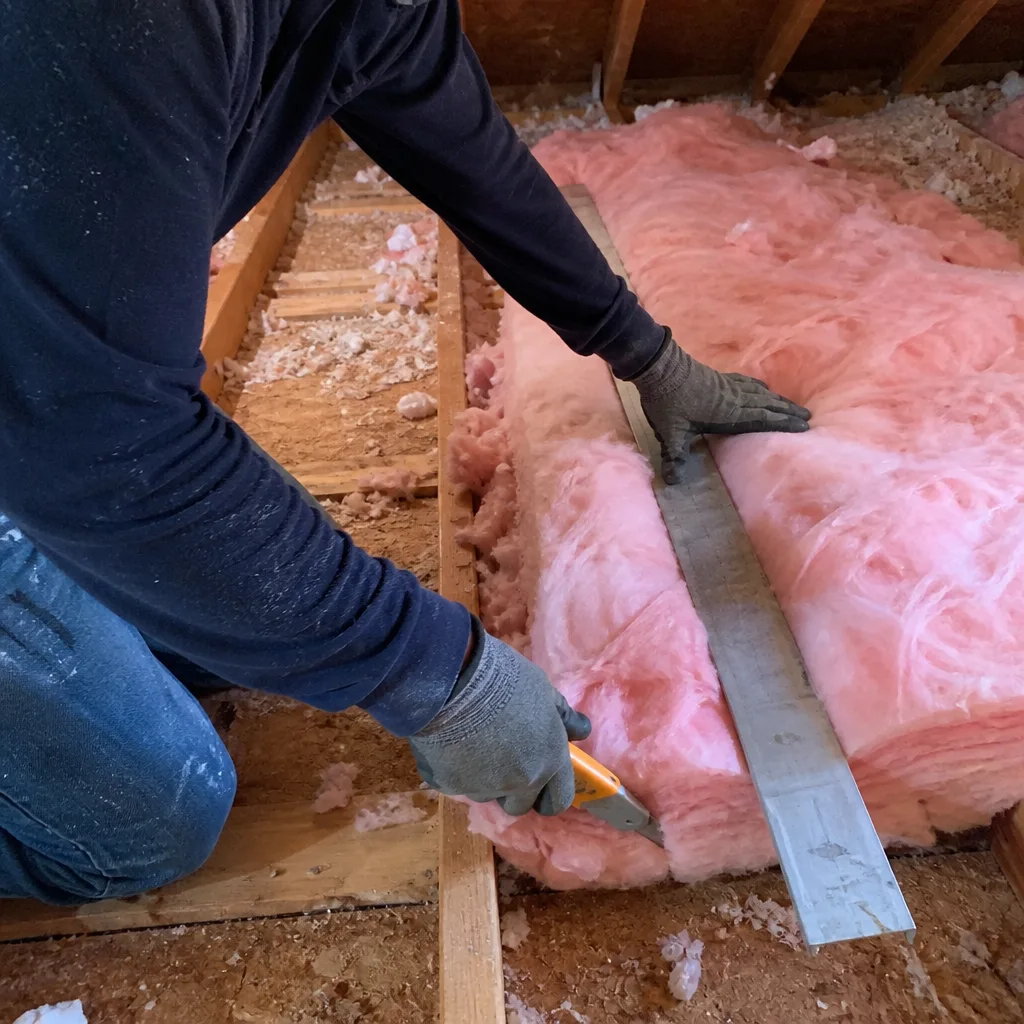
Insulation replacement typically falls under Level 1 if it is truly like-for-like: same type, same location, no change to R-value. But in La Puente, where original 1950s and 1960s homes often have R-11 or R-19 fiberglass batts in the attic, homeowners rarely want like-for-like. They want R-38 or R-49 blown-in cellulose or fiberglass, or they want spray foam for air sealing performance. That jump in R-value or change in material type pushes the work into Level 2 territory.
The dollar threshold matters too. Los Angeles County’s unincorporated areas use a $1,000 valuation threshold for minor work exemptions, but incorporated cities like La Puente set their own. We’ve seen La Puente building department staff interpret insulation jobs over $1,500 as requiring permits when HVAC ducting is in the attic space, on the theory that the work “affects” the mechanical system even if ducts are not physically moved.
Specific triggers that almost always require a permit in California:
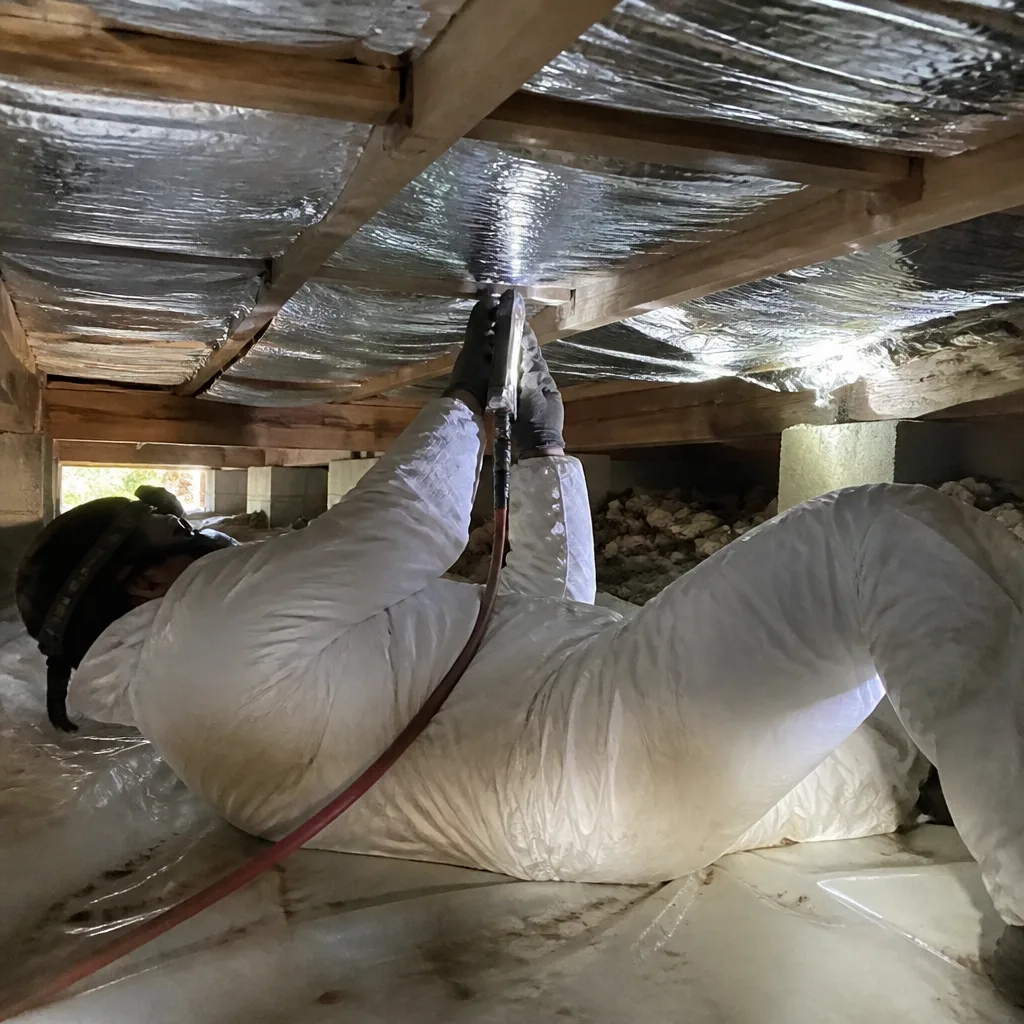
- Any spray foam insulation installation in an attic or crawl space - fire code and ignition barrier requirements kick in
- Radiant barrier installation when combined with HVAC duct work in the attic - Title 24 treats this as an alteration to the thermal envelope
- Insulation removal that exposes and requires repair of damaged wiring or plumbing
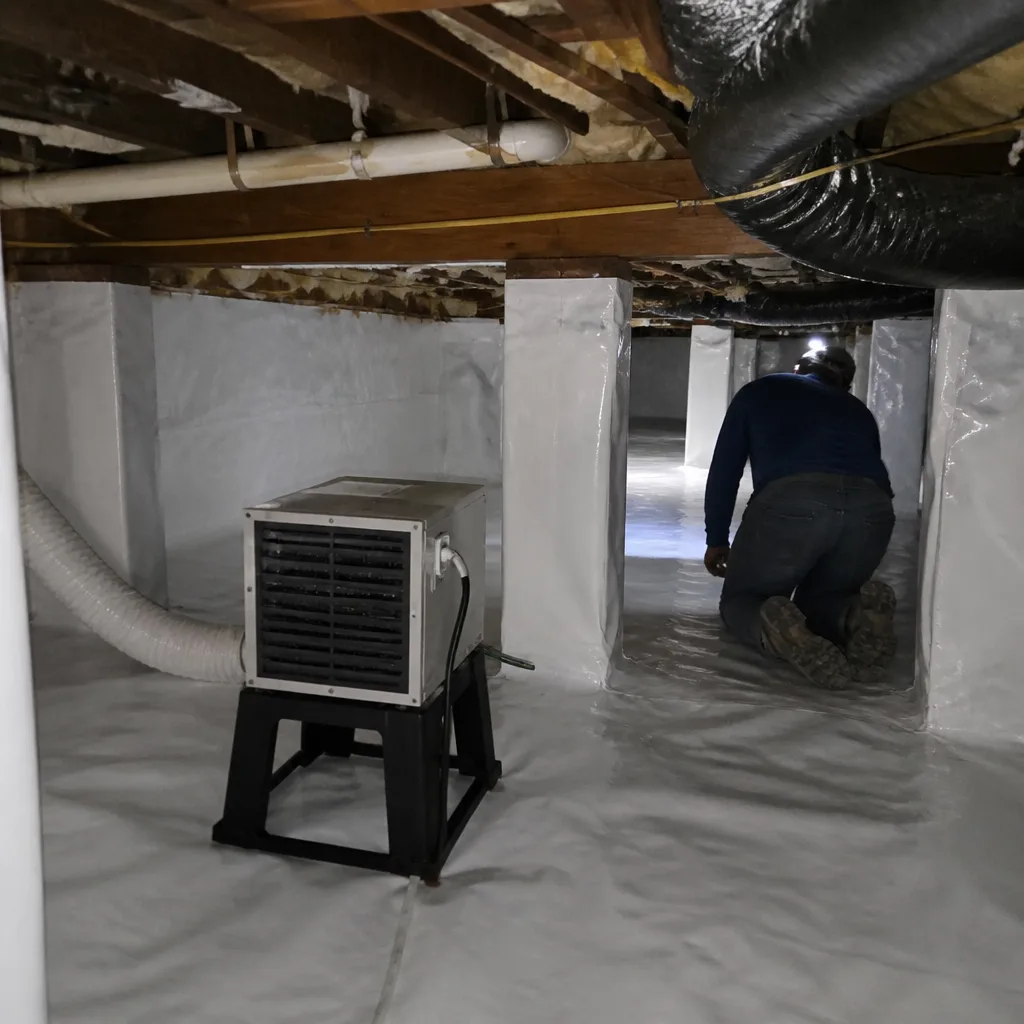
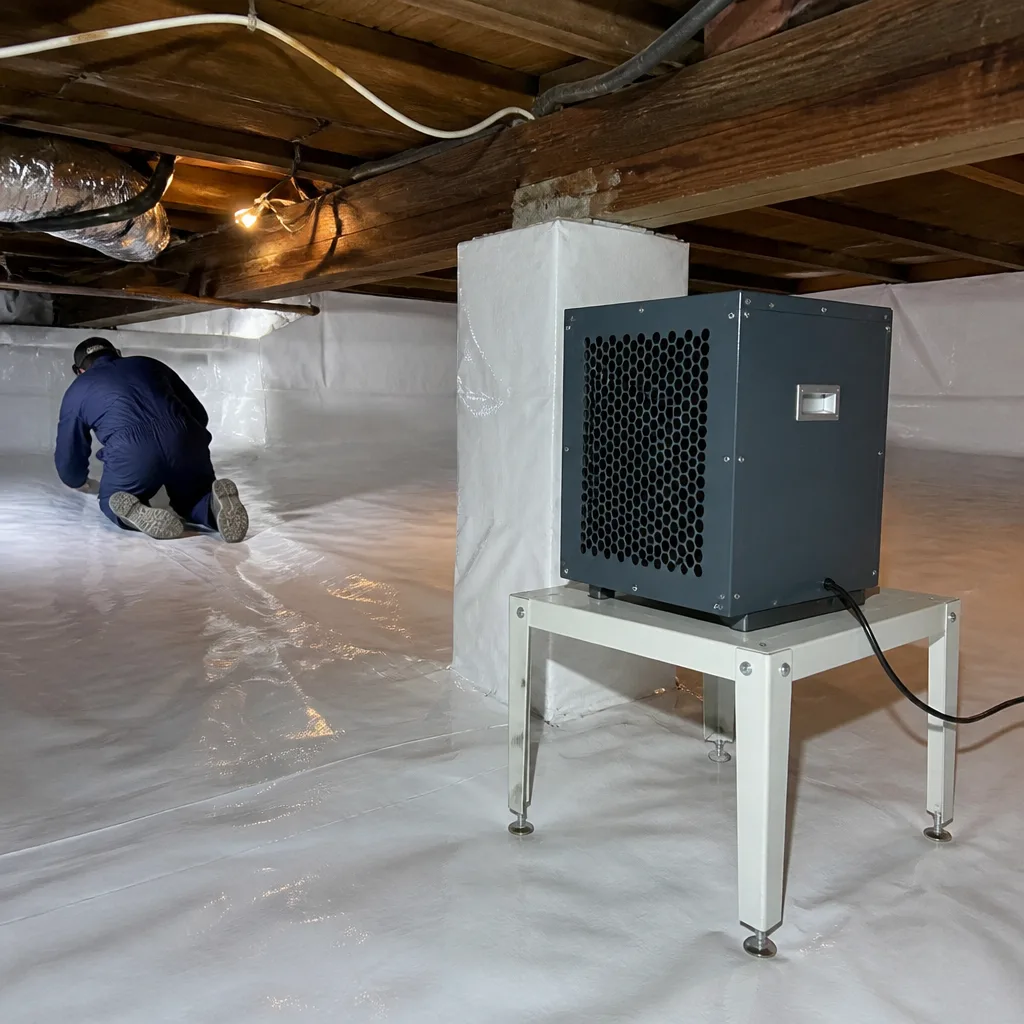
- Crawl space encapsulation with vapor barrier that includes dehumidification or conditioning - this crosses into mechanical work
- Any job where the contractor proposes to “move some ducts out of the way” - that is mechanical alteration, period
The safest approach: call La Puente Building and Safety at (626) 509-3237 before work starts, describe the scope exactly, and get a written determination. A contractor who discourages this call is a contractor who does not want their work documented.
How Title 24 Part 6 Treats Alterations Differently Than New Construction
Title 24 Part 6, California’s Energy Code, is written primarily for new construction. The compliance forms, the prescriptive packages, the HERS verification requirements - all of it assumes a builder starting from studs. When you are retrofitting an existing home in La Puente, you are operating under a different, less publicized set of rules.
For new construction, Title 24 mandates specific R-values by climate zone, mandatory HERS verification for certain measures, and whole-building performance modeling. La Puente sits in California Climate Zone 9, which prescribes R-38 minimum for wood-framed attic insulation and R-13 for wood-framed walls. But for alterations, the code uses a “component-based” approach rather than whole-building compliance.
Here’s what that means in practice:
- New construction: The building must meet the exact prescriptive R-value or demonstrate equivalent performance through computer modeling
- Alterations (existing homes): The altered component must meet current code, but the rest of the building is grandfathered - you are not required to bring the entire envelope up to current standards
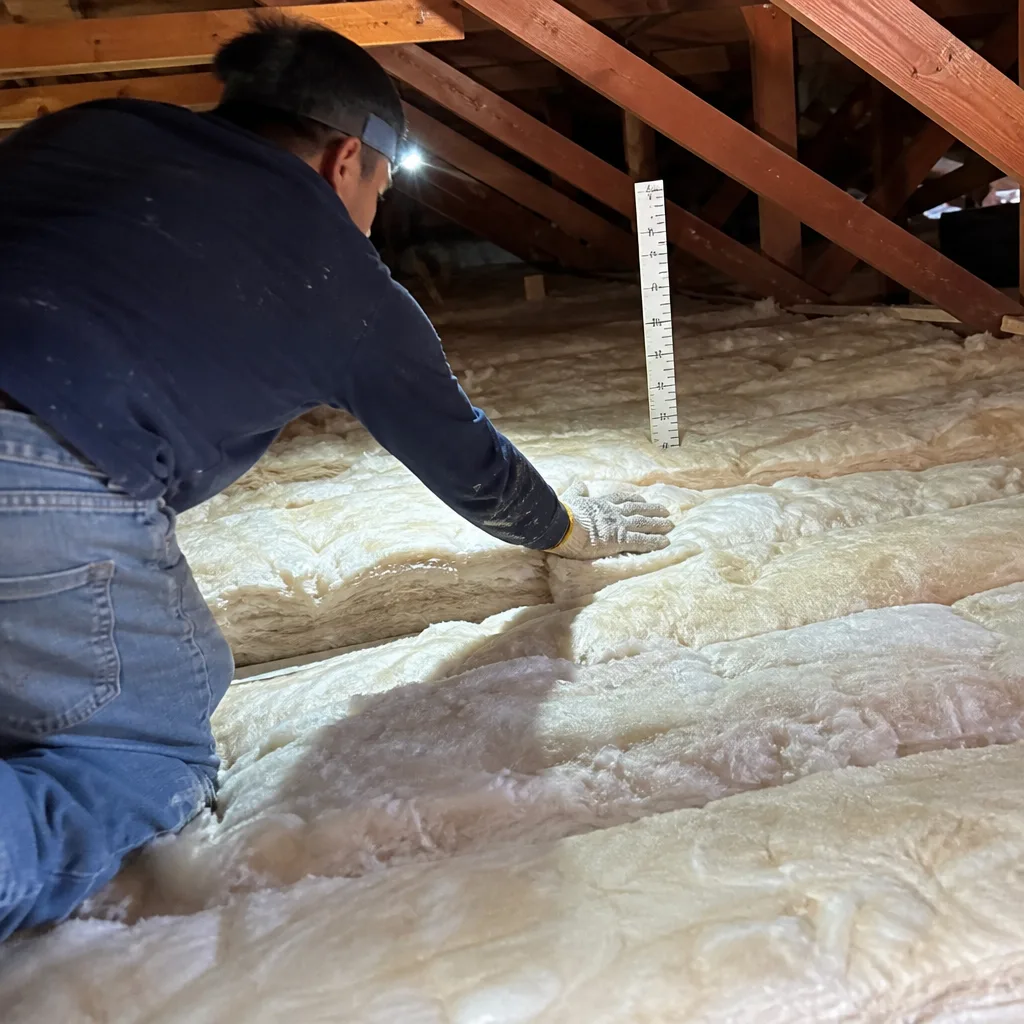
The critical distinction is “altered component.” If you are adding insulation to an attic that previously had none, or removing and replacing existing insulation with a higher R-value, the attic is now an altered component and must meet current R-38 minimum for Climate Zone 9. But if you are merely “topping off” existing insulation without disturbing it - blowing additional fiberglass or cellulose over old batts - some jurisdictions treat this as maintenance, not alteration. Our Seasonal Insulation Care for La Puente: Year-Round Homeowner’s Guide covers when topping off makes sense.
We do not recommend the “top-off” approach at Topside Attic Insulation La Puente home. In our experience across more than 9,000 homes sealed and insulated since 2016, topping off without first air sealing the attic floor wastes 15-30% of the new insulation’s effective R-value due to wind washing and thermal bypass. The conditioned air you paid to heat or cool escapes through gaps in the top plates, can light housings, and plumbing penetrations. Our Haven Standard requires air sealing first - blower-door guided, with before-and-after pressurization readings published on every applicable job - then insulation. The documentation you receive includes the written scope, the blower-door numbers, and a photo record. But we also pull permits when required, because undocumented performance claims do not protect you at resale.
Title 24 Part 6 also contains specific “alterations” language for when you change insulation type. Switching from fiberglass batts to spray foam, for instance, triggers HERS verification requirements that do not apply to fiberglass or cellulose. The code treats spray foam as a “high-performance envelope measure” that requires field verification of thickness, density, and installed R-value. A contractor who installs spray foam without HERS verification is installing out of compliance, even if the final R-value meets the prescriptive minimum.
La Puente and Los Angeles County: Local Rules That Override the State Default
La Puente is an incorporated city within Los Angeles County, but it contracts with Los Angeles County for building inspection services. This creates a specific administrative structure that matters for permit timing, inspection scheduling, and which code amendments apply.
The Los Angeles County Building Code (LACBC) amends the California Building Code with local provisions. For insulation work, the relevant sections are:
- LACBC Section 105.2 - Work exempt from permit: Minor repairs and maintenance, including “the replacement of existing insulation with equivalent materials” - but “equivalent” is interpreted strictly
- LACBC Section 108 - Inspections: All permitted work requires inspection; insulation inspections are typically combined with mechanical or framing inspections when multiple trades are involved
- LACBC Section 114 - Certificate of occupancy: No certificate required for residential alterations, but a final inspection sign-off is required for permit closure
La Puente’s specific geography creates additional considerations. The city sits at the base of the San Jose Hills, and many neighborhoods - particularly north of Arrow Highway and east of Hacienda Boulevard - experience significant diurnal temperature swings. We’ve measured attic temperatures exceeding 140°F in July on homes in the northern foothills, while same-day readings in the Valinda area south of the 10 Freeway run 10-15 degrees cooler. These microclimate variations do not change the code’s R-value requirements, but they affect material selection and installation details that inspectors may examine. Use our Attic Insulation Maintenance Checklist for La Puente Homeowners to stay ahead of inspections.
For example, in north La Puente attics with extreme heat buildup, inspectors have flagged kraft-faced fiberglass batts installed with the facing down (toward the conditioned space) - correct for cold climates, incorrect for our hot-dry Climate Zone 9, where vapor drive is primarily inward during cooling season. The facing can trap moisture. We typically specify unfaced batts or blown-in products from Rockwool or CertainTeed, with a separate vapor retarder if required by the specific assembly.
La Puente also has a significant stock of unpermitted additions, particularly garage conversions and rear additions from the 1970s and 1980s. When we inspect these homes, we often find insulation work that was never permitted, sometimes covering knob-and-tube wiring or buried junction boxes. California law does not require you to bring unpermitted work up to current code unless you alter it - but the moment our crew disturbs that insulation, we are obligated to flag hazardous conditions and may be required to open a permit for remediation. This is why our written scope includes a specific clause documenting pre-existing conditions before any insulation is touched.
Permit fees in La Puente for insulation-only work typically run $150-$400 depending on valuation, with inspection scheduling through the county’s online system. Plan check is not required for straightforward insulation permits, which speeds the process to 2-5 business days for issuance.
What a HERS Rater Actually Does (and When One Is Legally Required)
HERS stands for Home Energy Rating System - a California-certified third-party verification program administered by the California Energy Commission. HERS raters are independent of the installing contractor, trained and certified to verify that energy efficiency measures are installed correctly and perform as designed.
Not every insulation job needs a HERS rater. The requirement depends on the measure type and whether Title 24 compliance is being demonstrated through the prescriptive path or performance path.
HERS verification is legally required for:
- Spray foam insulation in any application - thickness, density, and R-value must be field-verified
- Radiant barrier installation in Climate Zone 9 when claimed for Title 24 compliance
- Any insulation measure used to meet the performance path (computer modeling) compliance option
- Air sealing measures when the builder or contractor claims a specific CFM50 reduction for compliance credit
HERS verification is NOT legally required for:
- Standard blown-in or batt fiberglass/cellulose insulation installed to prescriptive R-value
- Insulation replacement that does not change the compliance path
- Maintenance-level work that does not trigger Title 24 alteration requirements
However, some contractors offer “voluntary” HERS verification as a marketing differentiator. This is not the same as legally required verification. A voluntary HERS rating can be valuable - it provides documented proof of installed performance that may help at resale - but it does not substitute for mandatory verification when the code requires it. We’ve seen La Puente homeowners pay for voluntary HERS ratings on fiberglass batt jobs that did not need them, while their spray foam job in the same house went unverified by the same contractor.
What a HERS rater actually does on site:
- Pre-installation inspection: Verifies existing conditions, measures cavity depths, documents thermal bypasses, and photographs the assembly before work begins
- Material verification: Checks manufacturer labels, lot numbers, and product specifications against the approved plans or Title 24 compliance documentation
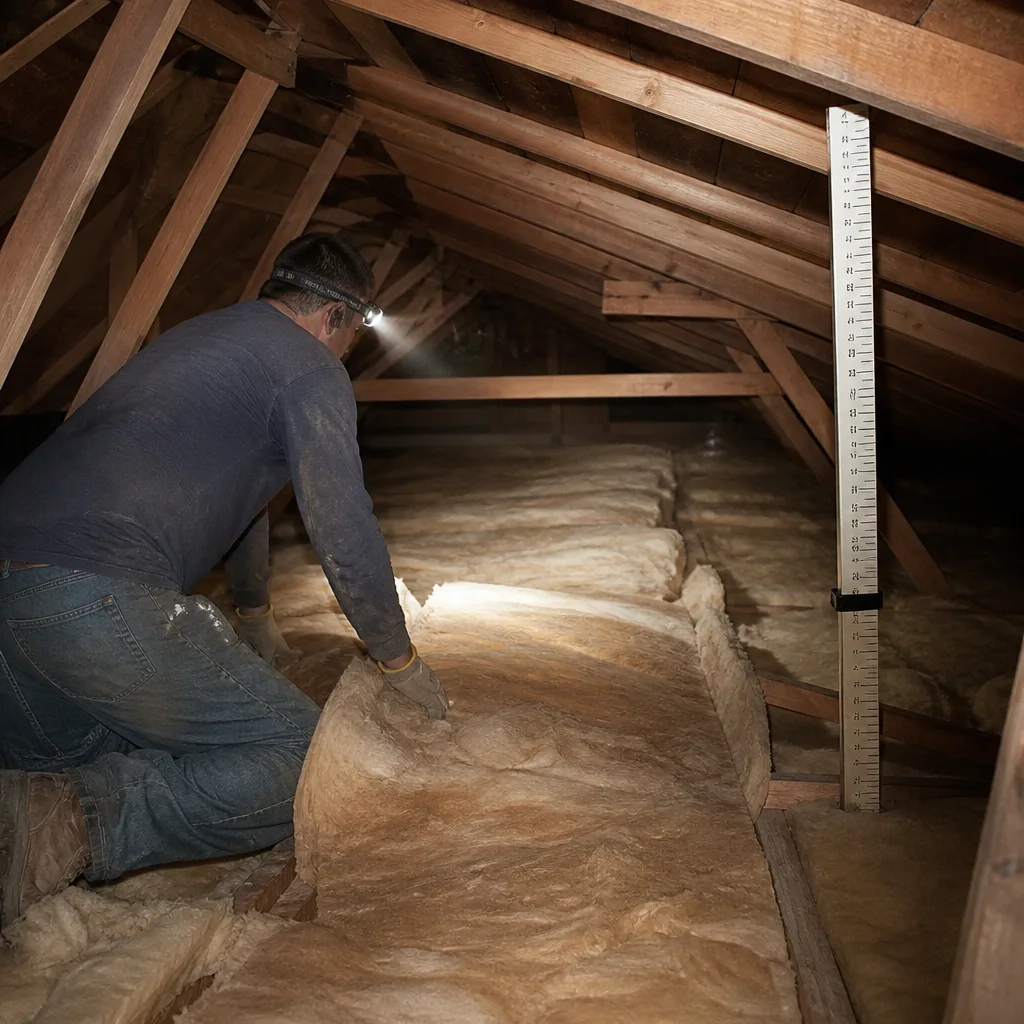
- Installation inspection: Measures installed thickness (for blown-in), density (for spray foam via core samples), and coverage area; verifies no compression, gaps, or voids exceed code limits
- Post-installation documentation: Submits CF-1R and CF-2R forms to the California Energy Commission database, which creates a permanent record tied to the property address
The CF-1R and CF-2R forms are the critical output. These are not internal company documents - they are state filings. When you sell your La Puente home, a buyer’s agent or inspector can request HERS records from the CEC database. If your spray foam job has no CF-1R/CF-2R on file, the work is undocumented from a code compliance perspective, even if it looks fine visually.
At Envelope Insulation Co., operating under The Haven Standard since 2016, we coordinate HERS rater scheduling for all jobs that require it, and we provide the homeowner with copies of all filed forms before final payment. The written scope specifies whether HERS is mandatory or voluntary for your specific job, and the price reflects the actual cost - no surprise add-ons after work starts.
Fire-Blocking, Ignition Barriers, and Spray Foam in Attics
This is where California’s fire code intersects with energy code, and where we see the most expensive mistakes. Spray foam insulation - whether open-cell (Icynene, Demilec) or closed-cell - is a plastic foam that will burn if exposed to flame. The building code does not prohibit its use in attics, but it mandates specific protective measures that add material cost and labor.
The relevant standards are:
- IRC Section R302.10 / CBC Section 718: Fire-blocking required to prevent flame spread through concealed spaces
- IRC Section R316 / CBC Section 2603: Thermal barrier and ignition barrier requirements for foam plastic insulation
- NFPA 275: Standard method of fire test for thermal barrier and ignition barrier materials
For attics and crawl spaces where entry is limited to maintenance - not storage or living space - the code permits an ignition barrier rather than a full thermal barrier. An ignition barrier is a thinner, less expensive protective coating, but it is still required and still adds cost.
Specific requirements for spray foam in La Puente attics:
- Ignition barrier required on all exposed foam surfaces in attics and crawl spaces not meeting the “attic used for storage” definition - this includes the underside of roof decks when foam is applied as a conditioned attic solution
- Fire-blocking at all penetrations - where spray foam meets chimneys, flues, recessed light housings, and any opening between attic and living space
- Minimum 3-inch separation from heat-producing devices - including non-IC-rated recessed cans, which are still common in 1960s and 1970s La Puente homes
- Specific product approval - not all spray foam formulations are approved for exposed attic use; the product must carry a current ICC-ES evaluation report or be listed in the California Department of Housing and Community Development approved products database
The ignition barrier is typically an intumescent coating (swells when heated) or a 1.5-inch minimum thickness of mineral fiber insulation. We’ve seen contractors in the San Gabriel Valley skip the ignition barrier entirely, claiming the foam’s “Class 1 fire rating” satisfies the requirement. It does not. Class 1 refers to surface burning characteristics in a specific ASTM test - it does not eliminate the ignition barrier mandate for plastic foam in concealed spaces.
Inspection of spray foam jobs in La Puente includes verification of the ignition barrier thickness and coverage, confirmation of fire-blocking at penetrations, and checking the product label against approved listings. A failed inspection means the foam must be accessed, corrected, and re-inspected - often requiring removal of finished surfaces. The upfront cost of proper ignition barrier installation is $1,500-$3,500 for a typical La Puente attic, depending on foam surface area. The cost of remediation after failed inspection is typically 3-4 times that.
We specify spray foam products from Icynene and Demilec that carry current ICC-ES reports for exposed attic applications, and our written scope includes the ignition barrier as a line item with no option to delete it. Under Haven Standard: Have it in writing, and that includes fire safety measures that protect the home and the homeowner’s resale position.
Permit Records, Resale Disclosure, and California Civil Code 1102
California Civil Code Section 1102 requires sellers of residential real property to disclose material facts affecting the value or desirability of the property. This includes unpermitted work, work that does not comply with building codes, and conditions that may affect insurance or financing.
The connection to insulation work is specific and increasingly enforced. In the last five years, we’ve seen a sharp increase in La Puente home sales where the buyer’s inspector notes:
- Insulation that appears newer than the home’s age with no permit record
- Spray foam in the attic with no visible ignition barrier
- Electrical junction boxes buried under blown-in insulation (a code violation regardless of permit status)
- HVAC ducts in conditioned attic space with no documentation of the alteration
Any of these findings can trigger a demand for permit history, which is public record in Los Angeles County. The county maintains building permit records back to the 1950s, accessible through the Regional Planning Department or in person at the Van Nuys or Alhambra offices.
To request your property’s permit history:
- Visit Topside Attic Insulation La Puente home or call Los Angeles County Building and Safety at (626) 509-3237 for records research
- Provide the property address and APN (Assessor’s Parcel Number)
- Request a “complete permit history” including final inspection status for all permits
- Review for any open or expired permits, which must be closed before sale
- Request copies of final inspection sign-offs for all completed work
The disclosure obligation is not merely “was there a permit?” It extends to whether the work was performed properly. A permit that was issued but never final-inspected is functionally equivalent to no permit. A permit that was final-inspected but the work has since been modified (new insulation added over old, ducts rerouted) may no longer reflect current conditions.
We document every job with a photo record, written scope, and warranty - the Haven Standard deliverables - specifically so our La Puente customers have a paper trail that satisfies disclosure requirements. When you sell, you can hand the buyer a folder with: the original written price and scope, the permit application and final sign-off, the HERS forms if applicable, the blower-door test results, and the photo record of installed conditions. This is not common in our industry. It should be.
Insurance implications also matter. Some carriers are now requiring documentation of spray foam installation, including ignition barrier verification, before writing or renewing policies. Unpermitted spray foam without proper fire protection can be grounds for coverage denial or cancellation.
What to Expect During an Insulation Inspection
If your insulation job requires a permit, the inspection sequence depends on the scope. For straightforward attic insulation with no mechanical or electrical work, there is typically one inspection: the final. For jobs involving air sealing, spray foam, or HVAC interaction, there may be rough and final inspections.
Final inspection for blown-in or batt insulation:
- Inspector verifies installed R-value matches permit application - depth markers must be visible in blown-in applications
- Checks for proper clearance around heat sources - chimneys, flues, non-IC-rated lights
- Verifies attic ventilation is not blocked - soffit vents must remain open, baffles installed where insulation contacts the roof deck
- Confirms no electrical hazards - exposed wiring, buried junction boxes, overloaded circuits
- Signs off or issues correction notice with specific items and re-inspection fee
Rough and final for spray foam:
- Rough inspection: Verifies ignition barrier materials are on site and approved; checks fire-blocking at penetrations; confirms product labels match approved specifications
- Final inspection: Verifies ignition barrier installed to specified thickness; checks complete coverage of all exposed foam; re-verifies fire-blocking; photographs for record
La Puente inspections are scheduled through the Los Angeles County online portal or by phone. Typical availability is 2-5 business days out, with morning or afternoon windows. The homeowner or contractor must provide access to the attic or crawl space. Inspectors do not move stored items or insulation to inspect - if the work is covered, the inspection fails.
We schedule inspections around our customers’ availability and always attend with the crew lead who performed the work. The inspector’s questions get answered by the person who can answer them. Under Haven Standard: Arrive on schedule, you get a named technician and a text when they are on the way. This applies to inspections too.
Common Mistakes to Avoid
- Assuming “maintenance” exemption covers R-value upgrades. In La Puente, adding R-value beyond existing levels is an alteration, not maintenance, and likely triggers permit requirements if other systems are affected.
- Accepting a contractor’s verbal assurance that “we never pull permits for this.” The liability falls on the homeowner, not the contractor, when unpermitted work is discovered at sale.
- Installing spray foam without verifying the product’s ICC-ES report for exposed attic use. Not all spray foam is approved for this application, and using unapproved product guarantees inspection failure.
- Burying electrical junction boxes under new insulation. California Electrical Code requires junction boxes to remain accessible; burying them is a code violation and fire hazard.
- Blocking soffit vents with blown-in insulation. We’ve seen La Puente homes with severe moisture damage from attic ventilation blocked during well-meaning insulation upgrades; baffles are required at eaves.
- Paying for “voluntary” HERS verification when mandatory verification is required. A voluntary rating on fiberglass batts does not satisfy the mandatory HERS requirement for spray foam in the same project.
- Failing to request final inspection sign-off before paying in full. An open permit can block sale or refinance; never pay final balance until the permit is finaled.
When to Call a Professional
Call a professional when the work touches more than one building system, when spray foam or radiant barrier is involved, or when you need documentation for a pending sale. In La Puente, the specific conditions of older housing stock - unpermitted additions, aging electrical, and extreme attic temperatures in foothill neighborhoods - multiply the risks of DIY or unpermitted work.
Topside Attic Insulation La Puente offers free estimates in La Puente - call (626) 509-3237. Every estimate includes a written scope and written price before any work starts, per Haven Standard Clause 1. We also offer a Free Second Opinion on any written estimate from another contractor; bring us their scope and we’ll read it with you, line by line, and tell you what permits and verifications should apply. The call is answered by a live person, 24/7.
Frequently Asked Questions
You need a permit if the work changes the insulation type, increases R-value beyond existing levels, involves spray foam or radiant barrier, or affects any HVAC, electrical, or plumbing systems. Straight like-for-like replacement of existing fiberglass batts with the same R-value, with no other systems touched, may qualify as exempt maintenance in some cases. Call La Puente Building and Safety at (626) 509-3237 with your specific scope for a written determination - estimates are free, and a permit determination takes minutes.
Permit fees for insulation-only work typically run $150-$400 depending on job valuation, with no plan check required for straightforward scopes. Jobs involving spray foam or mechanical alterations may incur additional fire marshal review fees of $100-$200. Re-inspection fees are $150-$250 if the first inspection fails. Call (626) 509-3237 and we’ll help you estimate total permit costs for your specific scope.
A HERS rater is a California-certified third-party verifier who inspects and documents energy efficiency measures for Title 24 compliance. For mandatory HERS measures like spray foam, the contractor typically coordinates rater scheduling and includes the cost in the project price. You do not hire the rater separately, but you should verify the rater’s certification number and confirm the CF-1R/CF-2R forms are filed with the California Energy Commission. Ask your contractor for copies before final payment.
Yes, but you must disclose the unpermitted work on California Civil Code 1102 forms. The buyer may request permit history, demand remediation, or negotiate price reduction. Unpermitted spray foam without ignition barrier is a particularly sensitive disclosure item due to insurance implications. If you discover unpermitted work, you can retroactively permit it through Los Angeles County’s “permit after the fact” process, which involves opening a permit, exposing work for inspection, and paying penalties of 150-300% of original permit fees.
Spray foam requires HERS rater verification, ignition barrier installation, and fire-blocking at all penetrations - none of which apply to standard fiberglass or cellulose. The material itself is also more expensive per R-value. For a typical 1,200 square foot La Puente attic, spray foam runs $4,500-$8,500 installed with all code-required protections, versus $1,800-$3,200 for blown-in fiberglass to R-38. The performance difference is real - spray foam air seals as it insulates - but the price gap is not markup; it is the cost of code compliance and documented verification.
Request a complete permit history from Los Angeles County Building and Safety using your property address and APN. Records are available online for permits filed after 1995; older records require in-person research at the Alhambra or Van Nuys offices. Look for permits with “issued” or “expired” status - only “finaled” permits are closed. Open permits must be resolved before sale or refinance. Call us at (626) 509-3237 if you need help interpreting your permit history.
You should receive: a final invoice matching the written price; copies of all permit applications and final inspection sign-offs; HERS CF-1R/CF-2R forms if applicable; a written warranty; and a photo record of installed conditions. Under The Haven Standard since 2016, we also provide before-and-after blower-door readings on applicable jobs so you can verify the air-sealing result in a single figure. If your contractor delivers less than this, the work is not fully documented.
The Bottom Line
California’s insulation rules for existing homes are a patchwork of state code, county amendments, and city-specific enforcement that most online resources get wrong by recycling new-construction guidance. In La Puente, the critical distinctions are: like-for-like replacement may be permit-exempt, but adding R-value or changing materials usually is not; spray foam always triggers HERS and fire-code requirements that add real cost; and the documentation you receive at job completion determines whether your investment helps or hurts at resale. Pull permits when required, verify HERS filings for spray foam, and keep every paper. The buyer’s inspector will look, and California Civil Code 1102 requires you to tell the truth.
Written by Wes Okafor, Owner at Topside Attic Insulation La Puente, serving La Puente since 2016.